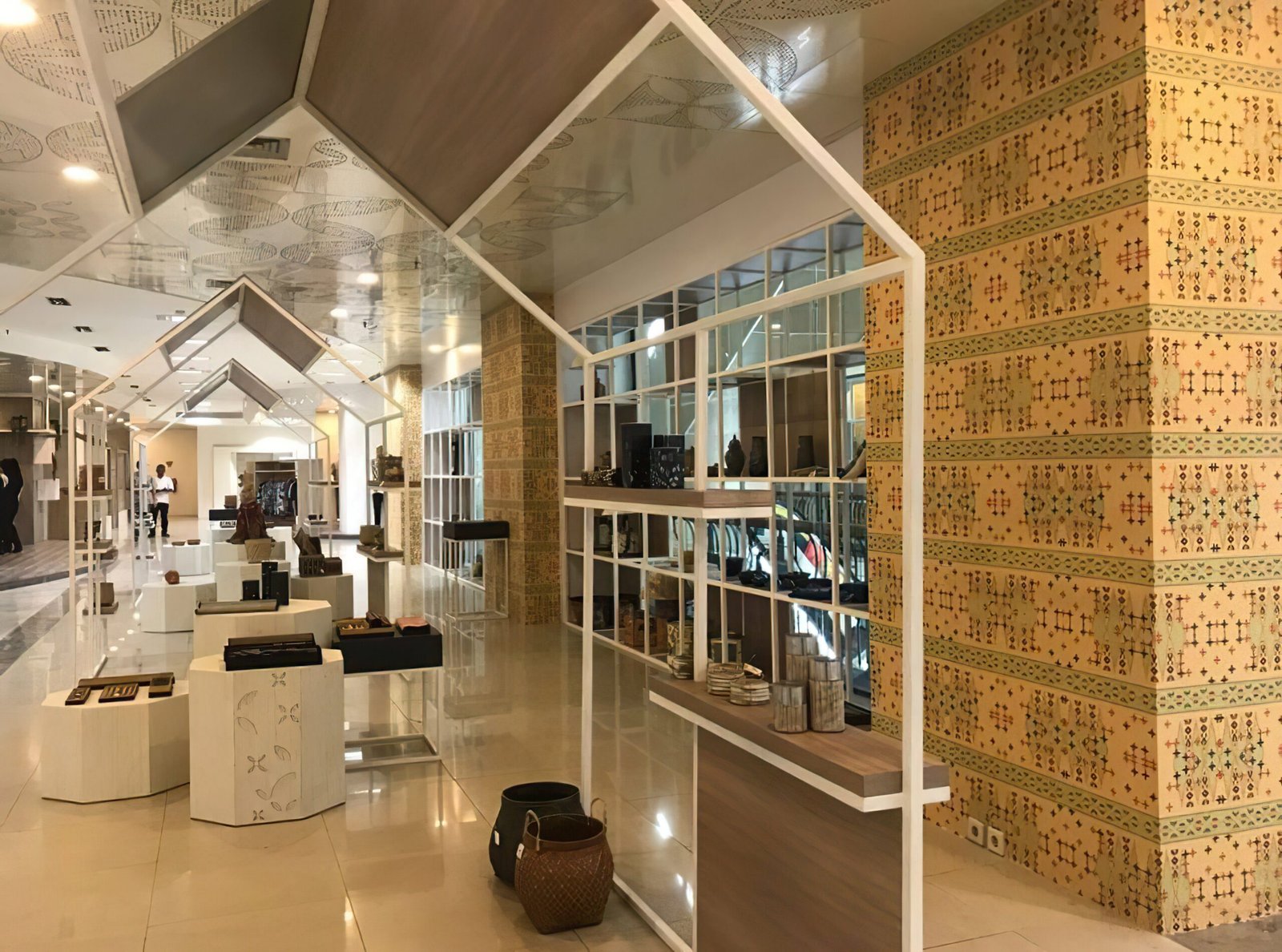
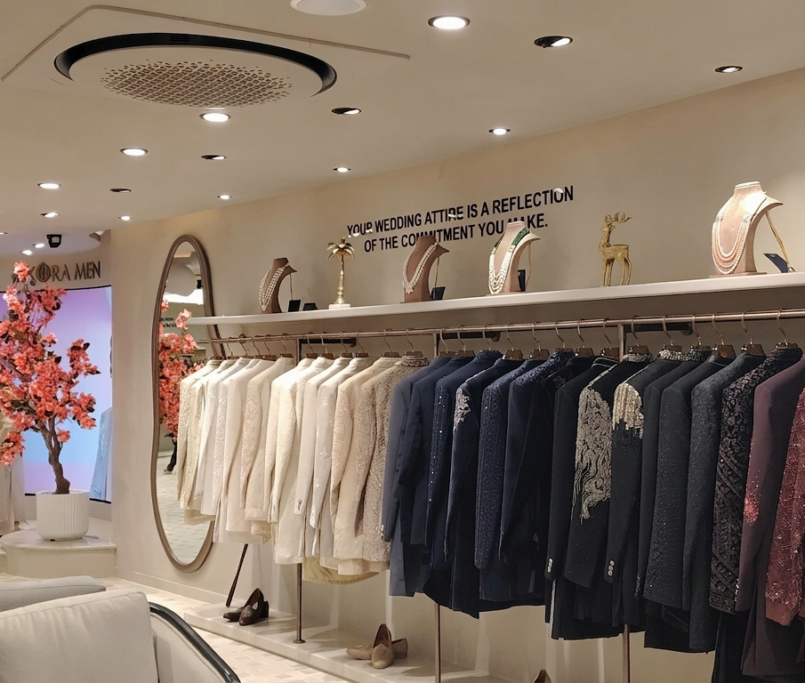
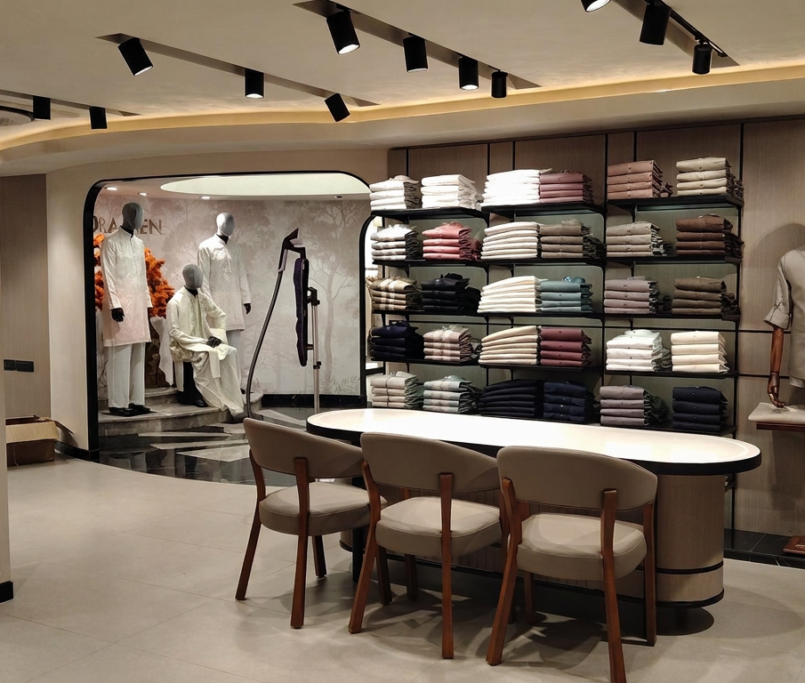
A complete redo is not essential for retail stores to look new. Sometimes, just shifting a display counter, changing the light or removing the unneeded fixtures can make a difference.
When resources are limited, the question arises as to where to invest and what to overlook when it comes to retailers.
A sensible modern retail store design is concentrating on enhancing the shopping experience, rather than changing all at once. The goal is to determine the problems that cause the store to look old-fashioned or hard to navigate, and tackle them in the order of their significance.
Before making a big investment in a refurbishment there are a few upgrades to consider.
First, Find Out What’s Actually Wrong With the Store
Before selecting new colours or furniture, spend time observing how customers use the existing space.
Are customers reluctant to pass through the door? Have some shelves that are hard to access? Do the billing queue prevent access to the merchandise?
Many of the observations indicate issues that a coat of paint won’t solve.
Get your employees’ opinions as well. They understand which fixtures are cumbersome, which places are commonly requested directions to, and which areas get too crowded.
When you have identified the problems, you know which improvements are worth pursuing that need to be done.
Refresh the Walls Without Changing Everything, which is a great book.
1. Refresh the Walls Without Changing Everything
Walls are significant parts of the customer’s sight. Changing the entire feel of the store can be done through an update of their appearance.
It doesn’t have to be a costly fancy panel or fancy finish.
If you can manage to paint the fixtures a different colour, it can help them feel more harmonious.
Lighter colors can work well for smaller shops to make it look more spacious. Contrasting wall behind with merchandise can highlight a specific collection.
Here are some of the things to remember:
- Select colours that go with the products.
- Don’t use too many contrasting colors.
- Choose finishes that will resist frequent cleaning.
The idea here is to build a uniform background, rather than transforming each wall into a feature.
2. Improve Lighting Before Buying New Displays
When moving products to a poor light source, they may not be as appealing.
This is particularly evident in the retailing of clothes, jewellery showrooms and lifestyle outlets, where the colour and product information play a role in purchasing decisions.
Inspect the current lighting before installing new fixtures.
It is possible to need special lighting in some areas, and in others, just the correct positioning of the existing lights.
For instance, positioning appropriate lighting to a highlight collection can help it stand out.
If the lights used are of an energy efficient type, they can help control electricity usage as well, depending on how long they are running for.
3. Rearrange Existing Fixtures to Improve Movement
One of the cardinal sins of retail store design is the belief that new furniture needs to be bought for the new stores.
Sometimes the existing racks and shelves can be better utilized in a different arrangement.
Think about a boutique clothing boutique that has long shelves at the front of the store. These can be moved to the side walls as this would make it easier to see the items inside.
Selected displays can then be placed in the central area without hampering the flow.
Use a trial and error approach and assess if the fixtures can be navigated easily by customers, especially during peak hours prior to changes.
The circulation is the most important part of a house, and should be planned first before any decorative features.
4. Give the Entrance a Stronger Visual Identity
You’ve got a limited amount of time to grab the attention of shoppers as they walk by your storefront.
Too much junk, too many discount boards, mannequins and promotional posters can make for an inaccessible store.
Rather, choose a couple products which symbolize the business’s offerings.
A footwear retailer could have a showcasing of a new collection on a basic elevated showing. You may need only two mannequins that are matched to look like a row for a fashion boutique.
Simple improvements such as signage, clean glass and an unobstructed entrance can enhance the appearance without significant construction.
5. Upgrade Selected Fixtures Instead of Replacing Everything
Some fixtures may be perfectly usable but look inconsistent with the store’s current identity.
Rather than ordering a complete replacement, assess which elements can be repaired, refinished or modified.
Possible improvements include:
- Repainting suitable metal display frames
- Replacing damaged shelves
- Updating handles on storage cabinets
- Adding adjustable display accessories
- Refinishing selected counters
However, worn or unstable fixtures should not be reused simply to save money.
The decision must consider safety, durability and the weight of displayed merchandise.
6. Make Product Grouping Easier to Understand
Buyers should not have to sift through a host of products that are unrelated to their needs.
One of the easiest things to do is to group products in a retail space.
For example, a lifestyle store can categorize the merchandise based on use or category. If there is an appropriate position for them, other accessories can be put next to the main products.
Category signs can also guide shoppers independently, if they’re small.
Don’t pack all shelves. Displays might be easier to understand if there is enough room around selected products.
7. Spend More on Areas Customers Notice Most
When the budget is limited, upgrading every corner equally rarely makes sense.
Prioritise areas that influence the customer’s first impression and shopping journey.
These may include the storefront, main product displays, fitting rooms and billing counter.
A useful way to plan modern retail store design is to divide improvements into three groups:
- Immediate: Fix damaged fixtures, poor lighting and blocked walkways.
- Next phase: Improve signage, product displays and selected finishes.
- Later: Consider major furniture replacements or structural layout changes.
This approach allows retailers to make improvements in stages while keeping expenditure under control.
Better Retail Interiors Begin With Better Decisions
It’s not about costly materials for an effective store upgrade. It’s about grasping the customer’s needs, effective use of space and the judicious spending of money where improvements are needed.
We supply commercial interior design, design and build solutions and customised retail fixtures at Atmosphere. With an understanding of modern retail store design, we can assist businesses in designing functional, brand-consistent stores that meet their needs.