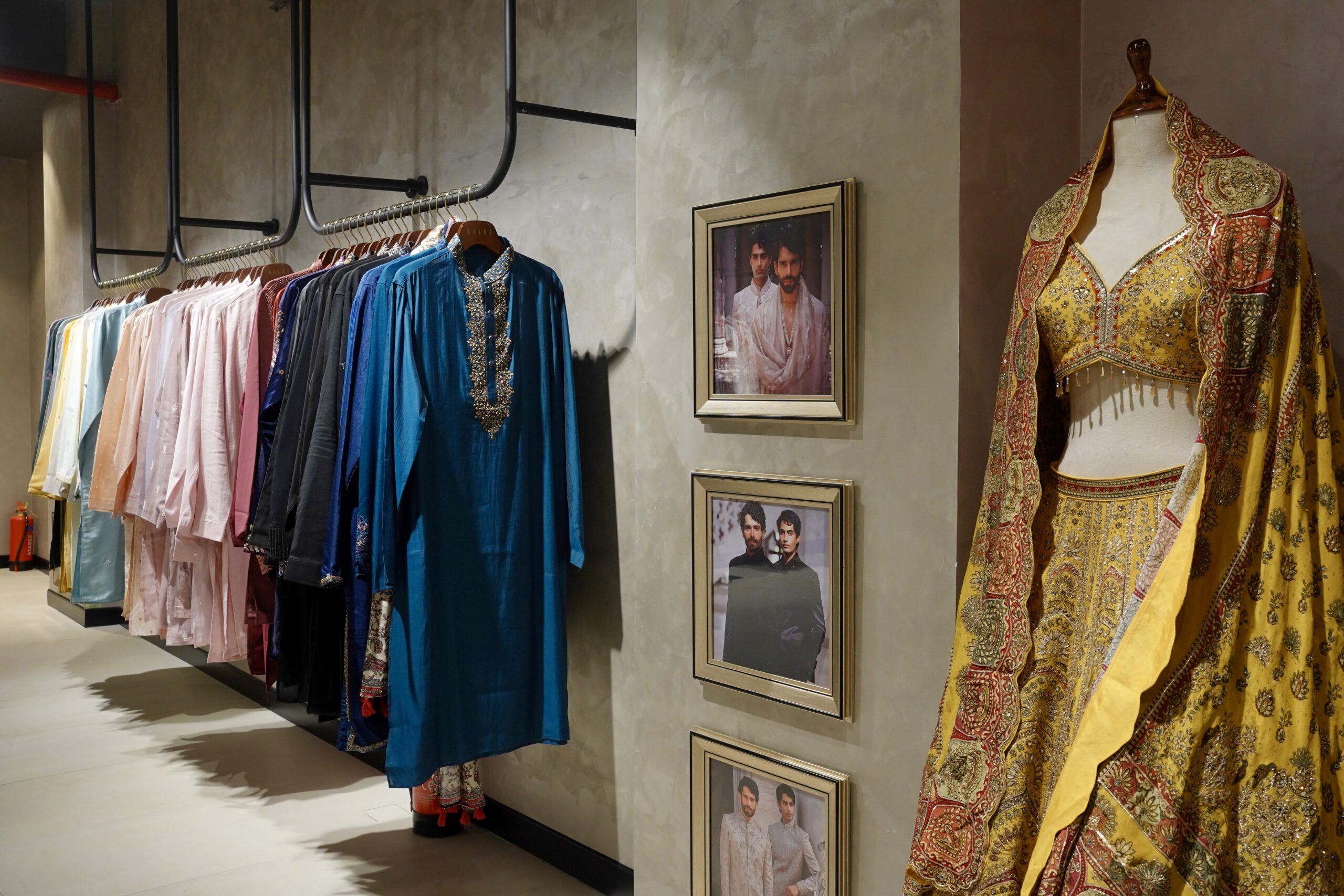
Walk into a store that works, really works, and you don’t notice the design. You notice the product. You stay longer than you planned and spend more than you intended. That isn’t a coincidence. That’s retail store interior design doing its job without announcing itself.
The stores that fail at this aren’t always ugly. Some are perfectly inoffensive. They’re just forgettable. Customers drift through without pausing, without engaging, without converting. The design didn’t hurt anything. It just didn’t do anything.
Here’s what separates retail spaces that perform from ones that merely exist.
Start With the Commercial Brief, Not the Mood Board
There’s a version of retail design that begins with references, Pinterest boards, competitor stores, a general aesthetic direction. That version tends to produce spaces that look good in handover photography and perform averagely for the next three years.
The version that works starts with a commercial brief. Who is the customer? How do they move through space? Where do they pause? What causes them to leave before reaching the back of the floor?
Retail space planning and design answers these questions before a single material gets specified. The layout decisions made at this stage, fixture positioning, sightlines from the entry point, transition zone treatment, have more influence on sales performance than any finish or fitting chosen later.
A few things that planning gets right, or wrong, early:
- Entry sightlines, what a customer sees in the first three seconds shapes dwell time more than almost anything else
- Fixture density, too much reads as cluttered; too sparse communicates low value
- Transition zones, the area just inside the entrance where customers are still adjusting; product placed here is consistently ignored regardless of quality
- Flow paths, guiding browsers toward high-margin categories without it feeling engineered
Get the planning right and everything else has a foundation. Get it wrong and no amount of beautiful joinery compensates.
What a Retail Fit-Out Actually Involves
“Fit-out” is one of those words that means different things depending on who’s using it. A complete retail fit out services scope covers significantly more than most clients initially budget for, and that gap causes problems mid-project when it’s too late to adjust cleanly.
A thorough retail fit-out scope includes:
- Flooring, specification, subfloor preparation, and installation
- Ceiling treatments and lighting infrastructure
- Wall finishes and architectural feature elements
- Built-in joinery: cash wraps, display counters, shelving, and plinths
- Custom fixture design and manufacture
- Ambient, accent, and task lighting design
- Signage integration and wayfinding
Each of these layers affects the others. Flooring that reads well under natural light can look entirely different under warm accent lighting. Fixture heights appropriate for a four-metre ceiling feel oppressive at three metres. These interactions are why retail interior design companies that manage the full scope in-house produce more coherent results than clients who split the brief across multiple vendors and hope the pieces reconcile.
Fixtures: Where Budget Gets Cut and Quality Shows
Retail store fixtures are usually where the value-engineering conversations happen first. They’re also where the consequences of cutting corners become most visible over time.
Standard fixtures wear in predictable ways, hinges loosen, surfaces scratch, finishes fade unevenly. In a high-footfall retail environment, a unit that looks reasonable at opening can look tired within eighteen months. For premium retail categories, jewellery, fashion, beauty, that deterioration affects how customers read the brand, not just the space.
Custom fixtures cost more to produce. They also hold their finish longer, fit the spatial brief exactly, and signal a level of brand investment that catalogue units don’t. The practical question isn’t which option costs less at purchase. It’s what the space communicates at year three and what the total cost looks like across the useful life of the fit-out.
Choosing the Right Design and Build Partner
Not every firm offering retail store interior design operates the same way. Some design and hand off to external contractors. Some build but outsource design. Very few hold both under genuine single ownership, where the same team that drew the brief also manufactures the fixtures and manages the site.
Before appointing anyone, the questions worth asking directly:
- Do you manufacture fixtures in-house or through subcontractors?
- Who runs the site programme and what does their bandwidth look like during our build?
- Have you worked in our retail category before?
- What does your snagging and handover process look like?
The answers will tell you whether you’re working with a full-service operator or a coordination layer above a chain of separate trades.
Where Atmosphere Comes In
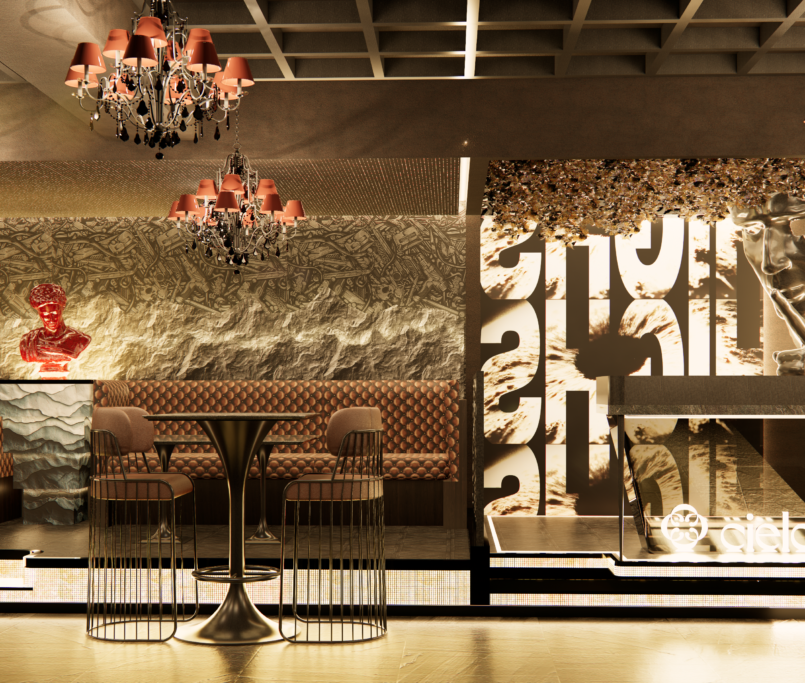
Atmosphere designs and builds retail spaces for fashion, jewellery, hospitality, and workspace clients. The in-house manufacturing facility in Bhiwandi produces custom fixtures and furniture to exact specification, not adapted from a catalogue. The design team works from concept through to installation under one scope and one point of accountability.
If you’re planning a new retail location or your current space is underperforming, talk to the Atmosphere.work team about what the fit-out needs to do, commercially, not just aesthetically.