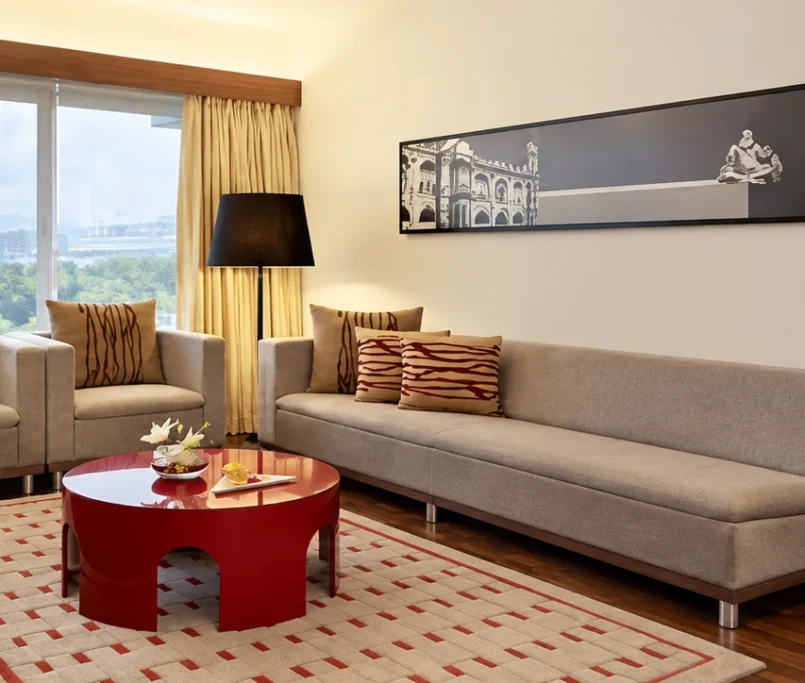
India’s luxury hospitality sector is recalibrating. Not incrementally, in a way that is visible in what guests now expect, how they read a space, and what makes them return. The hospitality interior design responding to this shift looks noticeably different from what defined the category five years ago.
Understanding what is actually changing, not the trend language around it, but the specific design and material decisions, is useful for anyone planning a hospitality build right now.
Generic Luxury Has Run Its Course
For a long time, high-end hospitality in India meant imported marble, European chandeliers, heavy drapery, and an aesthetic that could have been placed in Dubai, Singapore, or Mumbai interchangeably. Expensive. Inoffensive. And, increasingly, forgettable.
The correction is running hard in the opposite direction. Guests at the upper end of the market now respond more strongly to spaces that feel specific, to a location, a material tradition, a craft that couldn’t have come from a catalogue. A lobby that could exist in six cities carries less perceived value than one that is clearly rooted somewhere.
In practice, this shows up as:
- Regional materials in fine interior applications, stone varieties with a local provenance rather than generically premium imports
- Craft interventions at scale, hand-applied wall finishes, commissioned metalwork, artisan tile work integrated into large-format surfaces
- Spatial references to the property’s location without tipping into theme-park literalism
- Fewer material finishes, applied with more deliberate intention
This is harder to execute than it sounds. The risk with locality-led design is that it becomes a costume rather than a character. The properties getting it right are working with hotel interior design teams who understand the line between the two, and who have the sourcing relationships to back it up.
Experiential Design Is Now Table Stakes
The shift from comfortable accommodation to designed experience has been discussed for years. What has changed is that experiential design has moved from a differentiator to a baseline expectation at the luxury end.
Upper-market guests are no longer comparing a hotel against the average hotel. They are comparing it to every well-designed space they have encountered, retail flagships, private members’ clubs, high-end restaurants. The benchmark keeps moving regardless of what the hotel does.
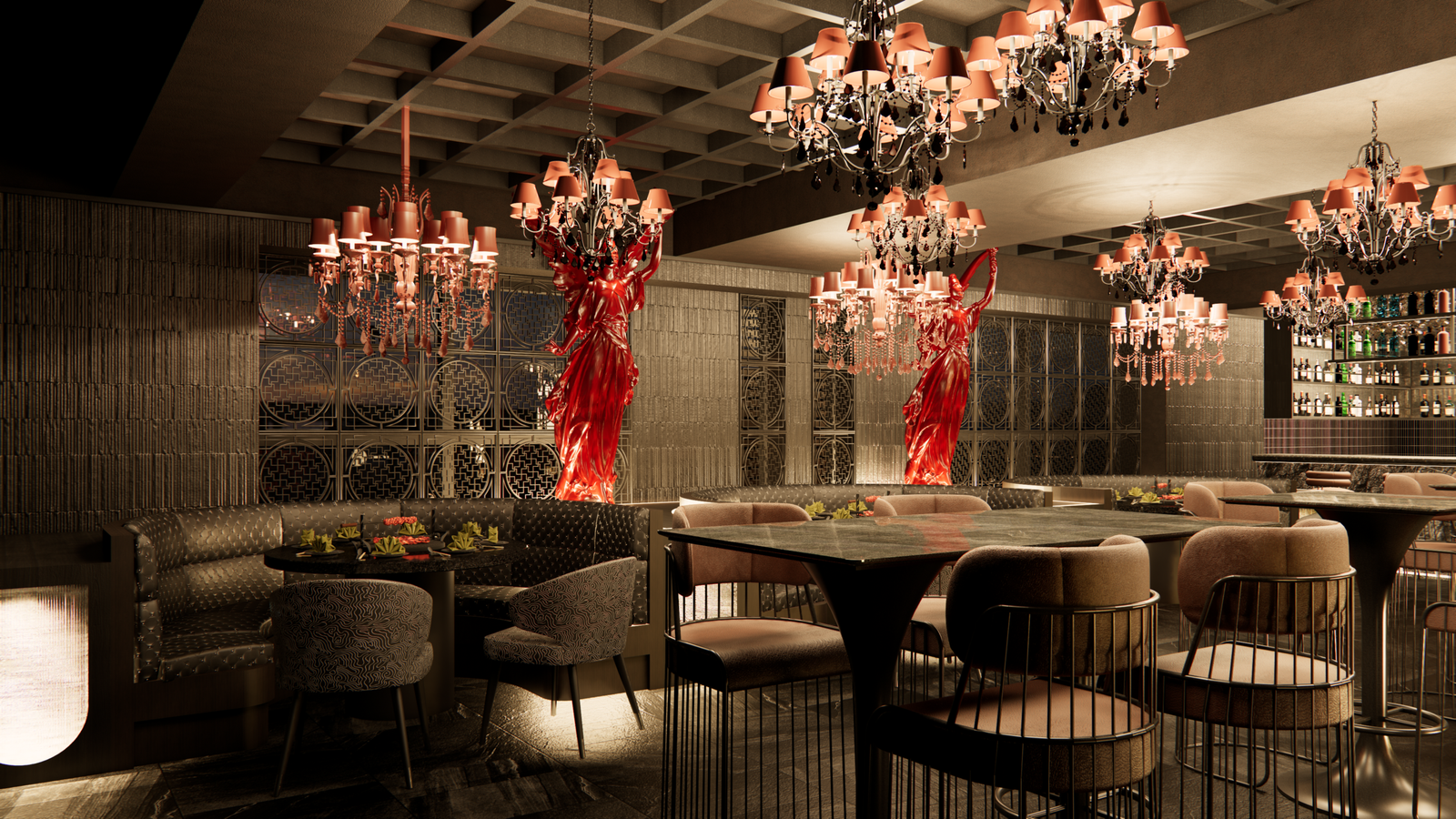
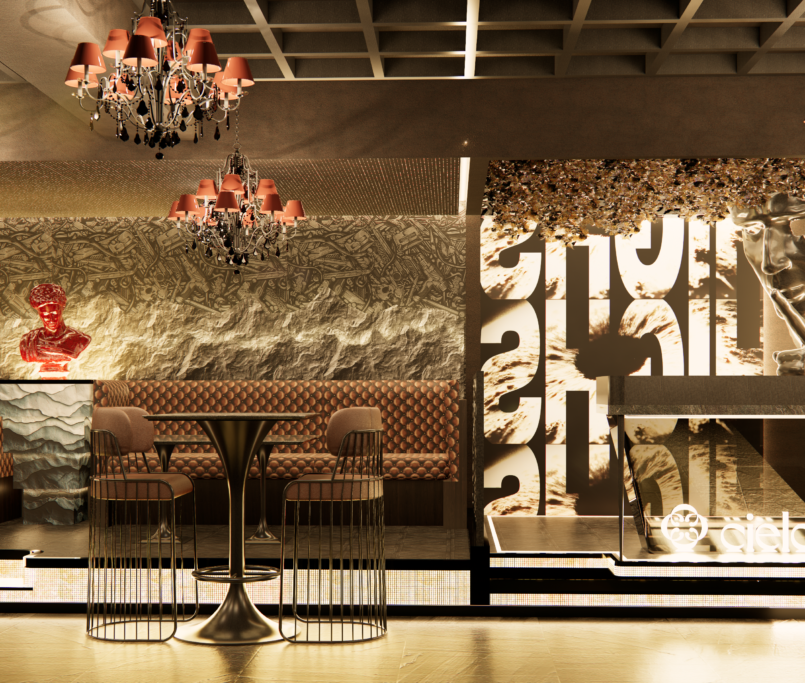
Restaurant interior design within hotel properties reflects this most clearly. The hotel restaurant conceived as a convenient amenity rather than a destination is struggling. Properties investing in F&B spaces that could hold their own as independent venues, in atmosphere, in material quality, in spatial logic, are seeing the revenue behave differently.
A few markers of where experiential design is landing:
- Lighting treated as architecture rather than a utility decision, layered schemes that shift across service periods and create distinct atmospheres through the day
- Acoustic design given equal weight to visual design, materials and spatial configurations that manage sound as deliberately as they manage light
- Threshold moments treated as designed experiences, the transition from arrival to lobby, lobby to restaurant, corridor to room
- Furniture and fixture specification where tactile quality matters as much as visual quality
Wellness Aesthetics Beyond the Spa
Spa and wellness facilities were long the designated space for natural materials, calm palettes, and low-stimulation design. That aesthetic is now spreading into the rest of the property.
Main lobbies, restaurants, and corridors are incorporating the material sensibility that used to sit exclusively in the wellness wing, natural stone, warm timber, textured plaster, controlled lighting, and deliberate spatial quiet. It reads as considered rather than minimal, which lands differently with guests than either maximalist luxury or stripped-back modernism.
For hospitality fit-out services, this shift has direct implications. The materials involved, handcrafted finishes, bespoke joinery, stone work applied consistently across large floor areas, require contractors with genuine manufacturing depth, not just procurement access. A wellness aesthetic deployed inconsistently across a 150-key property is considerably worse than not attempting it at all.
What This Asks of Fit-Out Partners
Hotel fit-out contractors working at this level need more than build capability. Locality-led design requires sourcing relationships and craft knowledge that general contractors don’t carry. Translating a design intent through fixture manufacturing, wall treatments, and joinery without it degrading between drawing and built reality requires a team that controls its own production.
The projects doing this well are bringing fit-out partners into the process earlier, during material selection, not just at tender stage.
Where Atmosphere Fits
Atmosphere.work has delivered restaurant and hospitality interiors for clients who treat the fit-out as part of the guest experience. The in-house manufacturing facility produces custom fixtures and furniture to exact specification. The design team works from brief through to installation under one scope, without handoff gaps that erode design intent.
If you are planning a hospitality fit-out and want the space to perform at the level your guests expect, speak to the Atmosphere team.