Resort Interior Design Services: Key Elements That Create Luxury Guest Experiences
Luxury in a resort is not created by expensive finishes alone. Guests notice how a place makes them feel, whether arrival feels effortless, whether the room encourages them to relax, and whether shared areas have their own character. Well-planned resort interior design services consider these experiences together, turning individual spaces into a connected environment that guests can enjoy throughout their stay.
For resort owners and hospitality businesses, that means looking beyond decoration. Every design decision should have a purpose.
Luxury Begins With a Sense of Place
A resort should feel connected to its setting rather than like an interior that could have been built anywhere.
The location can influence the choice of materials, textures, colours and spatial character. A coastal resort may call for a different atmosphere from a property surrounded by mountains or located near a busy city.
This does not mean filling interiors with obvious references to the destination. Subtle choices can be more effective.
Natural textures, locally influenced details or a carefully chosen material palette can give the property personality while keeping the overall environment refined.
Arrival Should Feel Effortless
Guests often form their strongest first impression within minutes of reaching a resort.
The entrance and reception area therefore carry considerable responsibility. They need to welcome guests while also making it clear where to go next.
A successful arrival experience can consider:
- A visible and accessible reception point
- Comfortable waiting areas
- Clear movement through the lobby
- Appropriate furniture placement
- Lighting that supports the desired atmosphere
- A strong but controlled visual focal point
Luxury here comes from clarity and comfort. Guests should not need to work out how the space functions.
Guest Rooms Need More Than Visual Appeal
The room is where guests spend much of their private time, so practical details become especially noticeable.
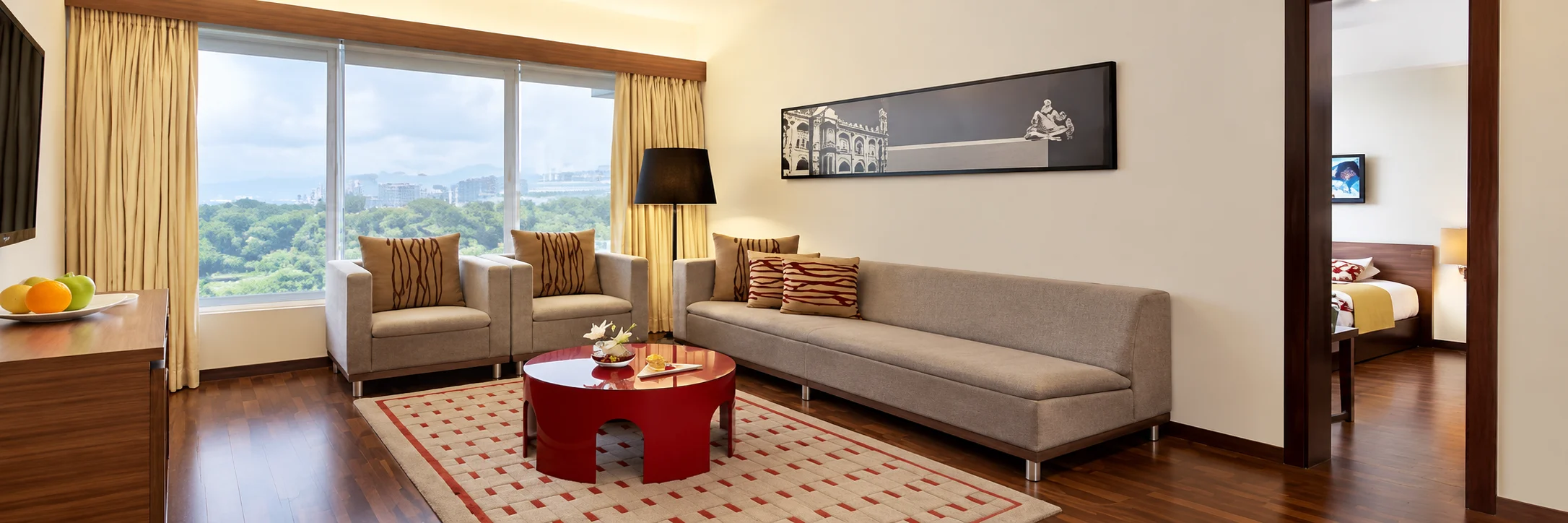
Furniture placement should leave comfortable movement space. Lighting may need to support different activities, from getting ready in the morning to relaxing at night. Storage should feel easy to access rather than squeezed into whatever space remains.
This is where resort interior design services need to balance visual character with everyday usability.
Even simple decisions, such as where a chair is positioned or how easily guests can reach commonly used areas, can influence the experience.
A beautiful room that feels inconvenient will rarely feel truly luxurious.
Shared Spaces Need Their Own Identity
Resorts often contain several guest-facing areas, and each one serves a different purpose.
A lounge may encourage guests to stay longer and socialise. A restaurant needs to balance atmosphere with movement between tables. Reception areas may be active during check-in periods but quieter at other times.
These spaces should not feel identical, yet they should still belong to the same property.
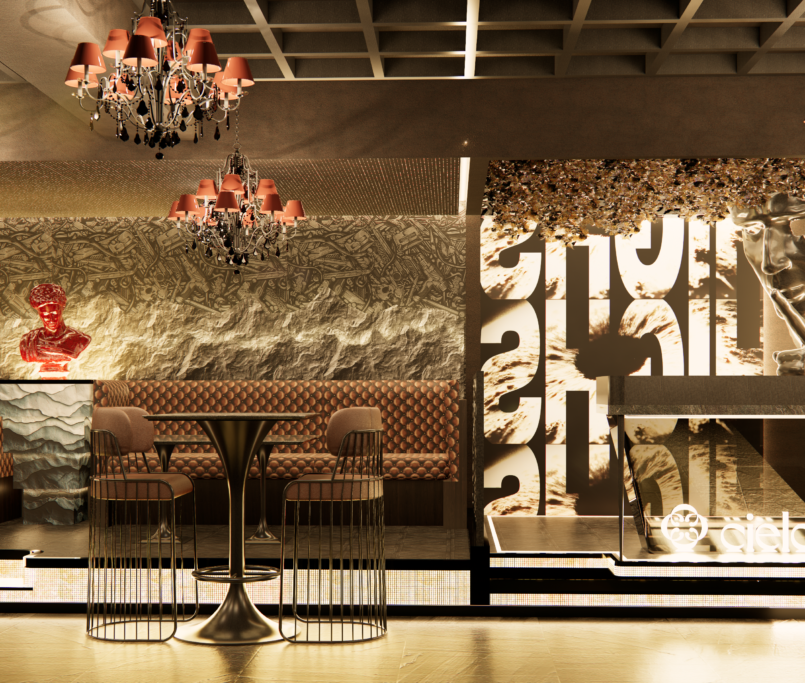
One way to create this balance is to establish a common design language and then vary its expression. Materials, forms or textures can reappear in different ways while furniture, lighting and layouts respond to the function of each area.
Comfort Is a Luxury Guests Actually Use
Some luxury interiors are designed primarily to impress visually. That approach can overlook what guests physically experience.
A resort needs furniture that looks appropriate but also feels comfortable. Seating arrangements should provide enough personal space. Pathways should allow people to move without repeatedly navigating around furniture.
Several practical details deserve attention:
- Seating height and comfort
- Space between furniture
- Clear circulation routes
- Convenient placement of tables and surfaces
- Appropriate lighting for different activities
- Logical transitions between areas
These details may not become the most photographed parts of a resort, but they often determine how enjoyable the property feels.
Materials Should Support the Experience
Material selection has a major influence on the character of resort interiors.
Texture can add warmth. Contrasting surfaces can create visual depth. Softer materials may make private areas feel calmer, while stronger finishes can give public spaces more presence.
However, materials in hospitality environments also face regular use.
Effective resort interior design services therefore need to consider appearance alongside the practical demands of the property. The goal is to create an environment that feels considered without choosing finishes purely because they look impressive in a sample.
Furniture Can Become Part of the Resort’s Identity
Furniture does more than fill empty areas.
The shape of a lounge chair, the proportions of a reception counter or the design of a table can reinforce the wider interior concept. Customised furniture and fixtures can be particularly useful when a resort requires pieces that respond to specific dimensions or design requirements.
This creates an opportunity to make furniture feel integrated rather than added after the main interior work has been completed.
When furniture, fixtures and spatial design speak the same visual language, the environment generally feels more complete.
Give Guests Moments Worth Remembering
A memorable resort does not need a dramatic feature in every corner.
Often, one carefully designed moment can be more powerful. It could be the first view from the lobby, an intimate lounge setting, an interesting reception feature or a distinctive furniture arrangement.
The important point is that these moments should belong to the wider experience.
Designing only for visual impact can make a space feel forced. Designing around how guests arrive, move, pause and relax creates something more meaningful.
Luxury Works Best When Everything Feels Connected
Strong resort interior design services bring together space planning, materials, furniture, fixtures and guest experience instead of treating them as separate decisions. Atmosphere provides design and build solutions for hospitality environments, along with fixture and furniture capabilities, helping create spaces where design intent and execution remain connected.
Frequently Asked Questions
1. What do resort interior design services include?
The exact scope depends on the project, but resort interior design can involve concept development, space planning, material and finish selection, furniture, fixtures and coordination with the execution requirements of the property.
2. What makes a resort interior feel luxurious?
Luxury often comes from a combination of comfort, thoughtful planning, material quality, lighting, furniture and attention to detail rather than decoration alone.
3. Why is space planning important in resorts?
Good space planning helps guests move comfortably between different areas while ensuring that rooms, lounges, restaurants and other spaces work for their intended purposes.
4. Should every area of a resort follow the same design?
Not exactly. Different spaces can have individual identities while sharing common materials, forms or design elements that create consistency across the property.
5. How important is furniture in resort interior design?
Furniture has both a functional and visual role. Its size, position, comfort and design can influence circulation, guest experience and the overall character of the resort.