Goa is one of the few hospitality markets in India where the property itself is part of the guest’s story.
People do not go to Goa and happen to stay somewhere. They choose a property, often months in advance, based on how it looks and what it feels like from a set of photographs and reviews. The villa has curved archways and the terrazzo floors. The boutique property in the paddy fields with the outdoor shower and the handwoven textiles on the walls. These are not amenity choices. They are the reason the booking exists.
This puts hospitality interior designers in Goa in an unusual position. The interior is not supporting the guest experience – it largely is the guest experience. A fit-out that misses the brief does not just produce a space that looks wrong. It produces a product that does not sell the way the developer projected, because the thing guests were paying for was never delivered.
Understanding what it takes to fit out a hotel or resort in Goa – and what makes the selection of a fit-out partner here different from any other Indian market – is what this piece covers.
Why Goa is a different hospitality brief
Most hotel markets in India are driven by business travel, transit, or urban leisure. Goa is overwhelmingly destination-driven, which changes the commercial logic of the interior in a fundamental way.
In a business hotel in Bengaluru or Hyderabad, the guest evaluates the property on functional criteria: location, room size, connectivity, breakfast quality. The interior needs to meet a threshold – clean, professional, comfortable – but it rarely drives the booking decision.
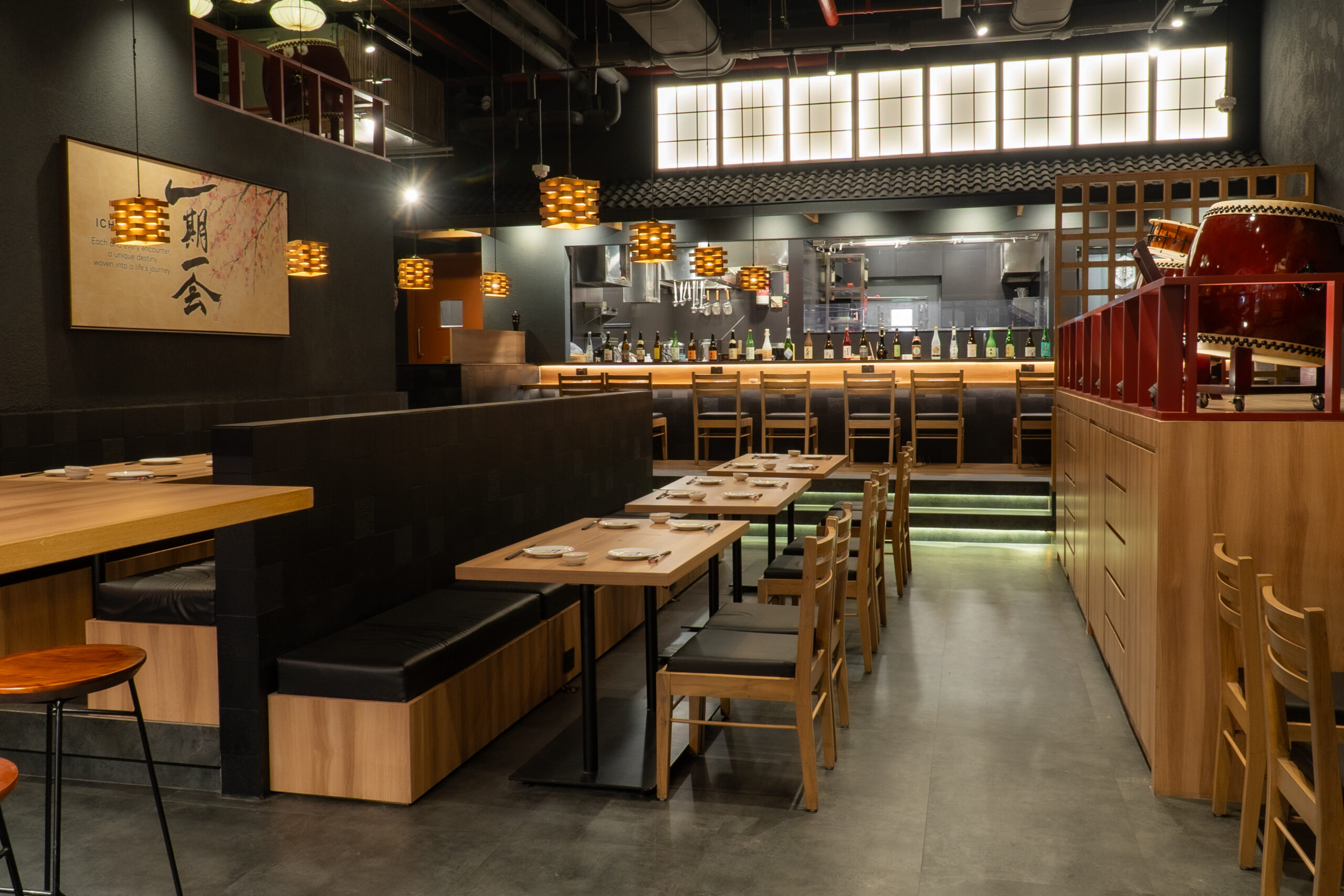
In Goa, the interior drives the booking decision. Guests shortlist properties based on how they look before they look at rates. They post photographs of the property itself – the pool edge, the bathroom, the view from the bed – not just the beach. The property’s visual and spatial identity is its primary marketing asset.
This means a boutique hotel interior design brief in Goa is simultaneously a design brief and a commercial strategy. The question is not just what the space should look like. It is what kind of guest it should attract, what story it should tell them about where they are, and what photographs it should produce that will bring the next guest in behind.
What fit-out in Goa actually involves
Building and fitting out a hospitality property in Goa has a set of practical realities that are different from mainland markets.
Material sourcing and logistics take longer
Goa is not Mumbai or Delhi. Certain materials, speciality finishes, and bespoke fixtures that can be sourced and delivered quickly on the mainland have longer lead times in Goa. A hotel & resort fit-out company that has not worked in Goa before will often discover this during execution rather than during planning, which is precisely when discovering it is most expensive.
Climatic demands on materials are non-negotiable
Coastal humidity, salt air, and the intensity of Goa’s monsoon season are not abstract considerations. They are material specification requirements. Timber that is appropriate inland will warp or stain within a season if used without the right treatment in a coastal Goa property. Metal finishes that look excellent in a controlled interior environment will oxidise. Fabrics that photograph beautifully in a dry climate will trap moisture and mildew in one that is not.
A fit-out partner who specifies for photography and not for climate is handing the property owner a maintenance problem that compounds every year.
Regulatory and permitting timelines require experienced navigation
Goa’s hospitality development approvals involve state and local bodies with specific requirements around coastal zone regulation, environmental clearance, and heritage considerations in certain areas. These are not insurmountable, but they require advance planning and local familiarity. A fit-out firm that has not worked in Goa before should be asked directly how they plan to manage this.
The design brief that works in Goa’s hospitality market
Boutique hotel interior design in Goa that performs commercially shares a few consistent characteristics – not in aesthetic terms but in strategic ones.
- It is rooted in place without being a postcard. The properties that attract sustained bookings are the ones that feel genuinely Goan – in their materiality, their relationship to outdoor and indoor space, their use of natural light – without assembling the obvious clichés. Azulejo tiles and fishing-net light fixtures are one version of Goa. They are also the version that dates fastest.
- Outdoor and indoor space are designed as one system. In Goa’s climate and culture, the distinction between inside and outside is deliberately blurred in the best-performing properties. Pergola dining, courtyard bathing, the unobstructed flow from a bedroom to a private plunge pool or garden – these are not amenities. They are spatial decisions that need to be made during the design stage, not added as features after the structure is built.
- Natural materials with performance specs. Laterite stone, reclaimed teak, handmade terracotta tiles, lime plaster – these are the material language of Goa’s best hospitality interiors and they are the right choice. But each of them requires specific sealing, treatment, and installation knowledge for a coastal environment. A fit-out team that has used these materials in other climates is not automatically qualified to use them correctly in Goa.
- Maintenance reality is part of the brief. Properties in Goa are typically owner-managed or run with lean staffing. The interior specification needs to account for what can realistically be maintained. Materials that require specialist cleaning, finishes that show every watermark, soft furnishings that cannot be laundered on-site – these create an ongoing operational burden that erodes the property’s guest experience within the first year.
Choosing the right fit-out partner for a Goa property
The questions that matter most in this selection are specific to the market:
- Do they have completed hospitality projects in Goa specifically, or only in mainland markets? Coastal experience is not transferable by assumption.
- How do they handle material specification for climate and maintenance, not just for appearance?
- Do they have in-house manufacturing for custom elements, or will bespoke pieces be outsourced to vendors with long mainland lead times?
- What is their process for managing Goa’s permitting requirements alongside the construction timeline?
- Can they provide references from property owners who have operated for at least one full season post-handover?
Hospitality interior designers in Goa who have genuinely worked in the market will answer these questions from experience. Those who have not will answer them from confidence, which is a different thing entirely.
The distinction between the two usually becomes clear in the second conversation, when the discussion moves from portfolio to process.
What the investment is actually buying
A hotel or resort in Goa that is designed and built well is not just a better-looking property. It is a commercial asset that earns at a different rate – through higher average daily rates, stronger direct booking percentages, and the kind of review and word-of-mouth performance that keeps occupancy healthy outside the peak season.
That commercial performance is not accidental and it is not solely a function of location or pricing strategy. It is significantly a function of whether the space delivers what the guest was imagining when they made the booking.
A hotel & resort fit-out company that understands this is working toward a different outcome than one that is focused on handover. The handover is the beginning of the property’s commercial life, not the end of the fit-out process. The firms that understand this treat the brief, the specification, and the execution accordingly.