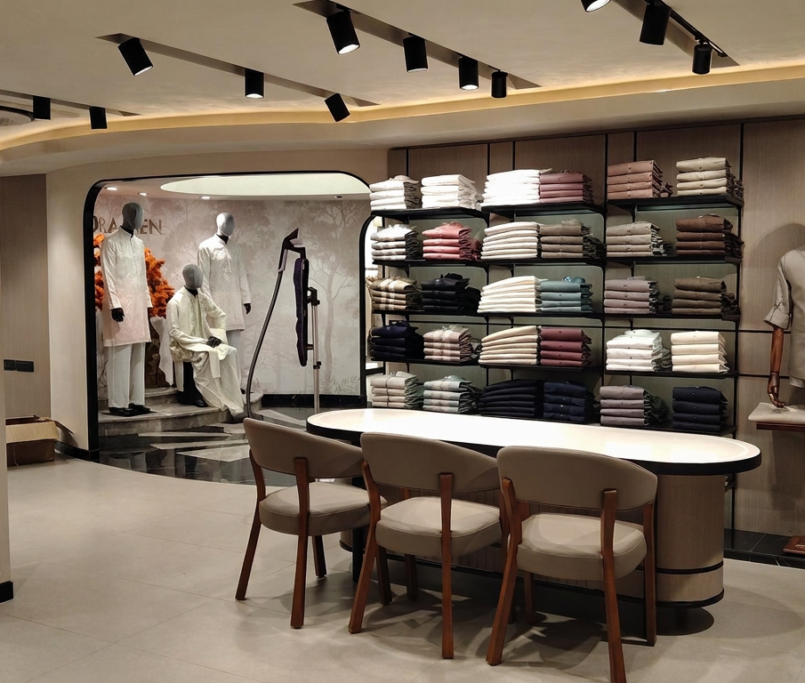
The Materiality of Opulence: Choosing Marble, Wood, and Metals for Luxury Retail Design
Luxury retail design means selecting the materials that are fit for the occasion, and in the case of opulence, that means marble, wood, and metals.
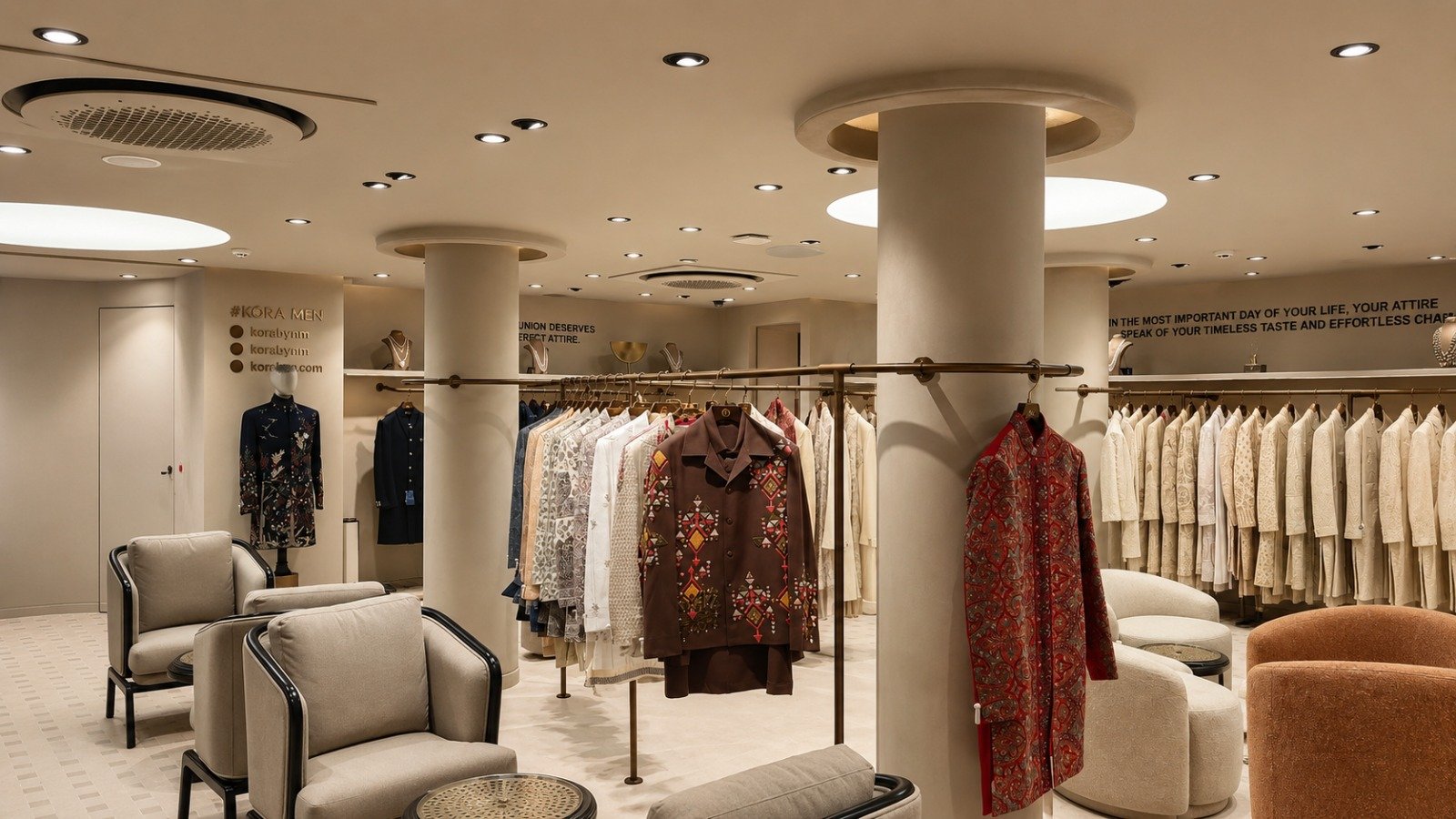
When it comes to luxury retail store interior design, it’s sometimes the little things that are out of sight but not out of mind. A cool surface of a marble counter or the warmth of a wooden display cabinet, or the subtle shine of a metal frame can affect the atmosphere of a store.
These materials have always been linked with high quality interiors. But if you do install high-cost finishes throughout, you don’t have to do so to make the space luxurious.
The key to designing the interior of luxury retail stores is choosing materials that align with the product, fit the brand and meet end-user expectations in the busy retail environment.
Each different material, marble, wood and metal, will add something unique to a space. By knowing their strengths and weaknesses, retailers can make informed decisions.
Marble: Making a Statement Without Overdoing It
Walk into a premium jewellery showroom and you may notice a marble reception counter or a carefully finished stone wall.
Marble creates a sense of permanence. Its natural veining makes each slab visually distinctive, which can be particularly effective in spaces where presentation matters.
But marble needs careful placement.
Where Marble Works Best
Rather than covering every surface, retailers can use it in selected areas:
- Reception and consultation counters.
- Highlight walls behind high dollar product displays.
- Make a plinth for some chosen items to display.
- There should be suitable entrance areas with flooring.
Finishes are as important as the stone itself.
Glass marble shines and gives a formal look. Both finishes have a softer look, but need proper care.Honed finishes have a softer appearance, but need proper care as well.
Natural marble is also porous, and can stain or etch in the presence of some substances. If you are running a busy retail outlet, then the maintenance needs must be known first when selecting it.
This impression on the opening day surface should also be easy to handle for your store team years later.
Wood: Bringing Warmth Into Premium Spaces
Not every luxury store needs a cool, polished appearance.
Wood introduces warmth, texture and a more welcoming character. This makes it useful for fashion boutiques, premium footwear outlets and lifestyle stores.
A dark timber display cabinet can provide a refined background for leather accessories. Lighter wood finishes may suit contemporary clothing collections where the merchandise needs to remain the main focus.
Solid Wood, Veneer or Laminate?
These options can produce different results in terms of appearance, maintenance and cost.
Solid wood offers natural character but can respond to changes in temperature and humidity.
Wood veneer provides a real wood surface over a suitable substrate and can be used for customised furniture.
Wood-look laminates offer a practical alternative where durability, cleaning and consistency are priorities.
There is no single correct choice.
In luxury retail store interior design, material selection should depend on the location of the fixture, expected usage and the desired visual effect.
For example, a frequently used billing counter may need a different finish from a decorative wall panel.
Metals: The Details That Hold the Look Together
Metal often plays a supporting role in retail interiors, but its influence can be substantial.
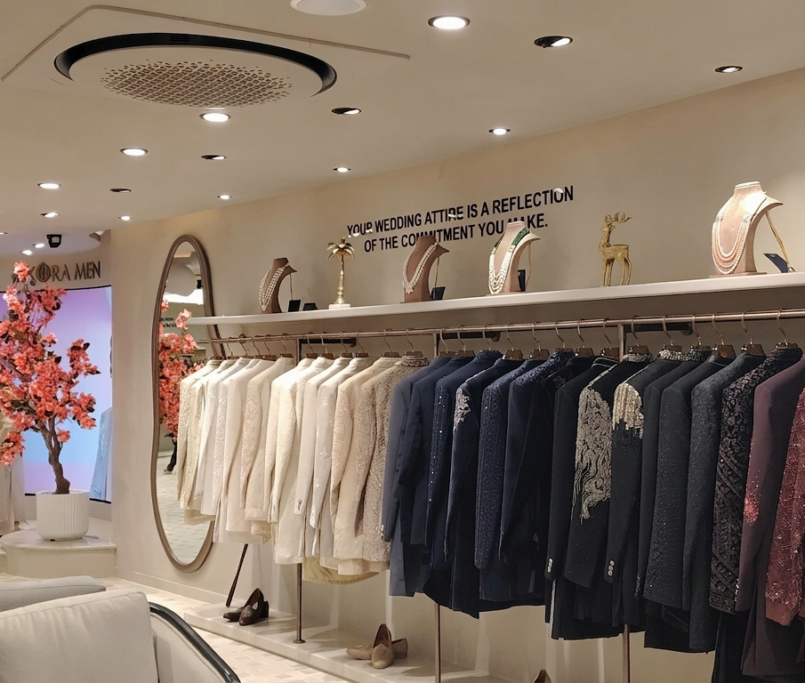
A slim brass-finish frame around a display cabinet can change the character of an otherwise simple fixture. Dark metal shelving may give a contemporary boutique a more structured appearance.
The effect comes from proportion and finish rather than the quantity used.
Choosing the Right Metal Finish
Different finishes suit different retail environments.
- Brass and champagne tones: Often associated with jewellery and luxury accessories.
- Black powder-coated metal: Suitable for contemporary fashion and minimalist displays.
- Stainless steel: Useful where durability and ease of cleaning are important.
- Brushed metallic finishes: Offer a softer appearance than highly reflective surfaces.
One detail deserves attention: not every gold-coloured fixture is made from brass.
Retailers should confirm the base material, coating and maintenance requirements before approving samples.
A decorative finish that scratches easily can affect the appearance of an otherwise carefully designed store.
How Do These Materials Work Together?
The challenge begins when marble, wood and metal are used within the same interior.
Each material has a distinct visual character. Without a clear design direction, the combination can feel busy.
Consider a luxury watch boutique.
A marble-topped consultation counter might become the central feature. Dark wooden cabinets could provide warmth, while slim brushed-metal frames introduce definition.
The materials support one another because each has a specific purpose.
Compare that with a store using heavily veined marble, several wood tones and multiple metallic finishes across every wall. The result may compete with the products rather than highlight them.
Three principles can help maintain balance:
- Choose one dominant material. Let the remaining finishes support it.
- Control reflections. Highly polished surfaces can create glare under strong display lighting.
- Keep the merchandise central. The interior should frame products, not distract from them.
Luxury is often more convincing when the design shows restraint.
Consider Maintenance Before Approving Materials
Material samples are usually viewed under controlled lighting and handled carefully.
A functioning retail store is different.
Customers touch counters, staff move merchandise and cleaning takes place regularly. Fixtures may also need repairs or modifications as collections change.
Before finalising materials, retailers should examine:
- Cleaning and maintenance requirements
- Resistance to scratches and everyday wear
- Suitability for customised display fixtures
- Availability of matching materials for future repairs
These practical considerations are essential to luxury retail store interior design, particularly for brands planning consistent interiors across multiple outlets.
Luxury That Looks Good and Works Well
Marble, wood and metal can give retail spaces a distinctive identity, but their value depends on thoughtful selection and execution. The right combination should complement the merchandise while supporting everyday store operations.
At Atmosphere, we offer commercial interior design, design and build solutions, and customised retail fixtures and furniture. Our work in luxury retail store interior design helps businesses create premium, brand-aligned spaces with careful attention to materials and functionality.