How Thoughtful Hotel Room Design Improves Guest Comfort and Stay Experience
A hotel room may only be one part of the overall property, but for the guest, it often becomes the most personal part of the stay. It is where they rest, work, prepare for the day, store belongings and spend private time away from public areas. This is why hotel room interior design has a direct influence on how comfortable, convenient and memorable the stay feels.
A well-planned room is not simply attractive. It works quietly in the background, helping guests move through their stay with fewer small frustrations.
Comfort Begins With How the Room Is Planned
Before finishes, furniture or decorative elements are considered, the room needs to function properly.
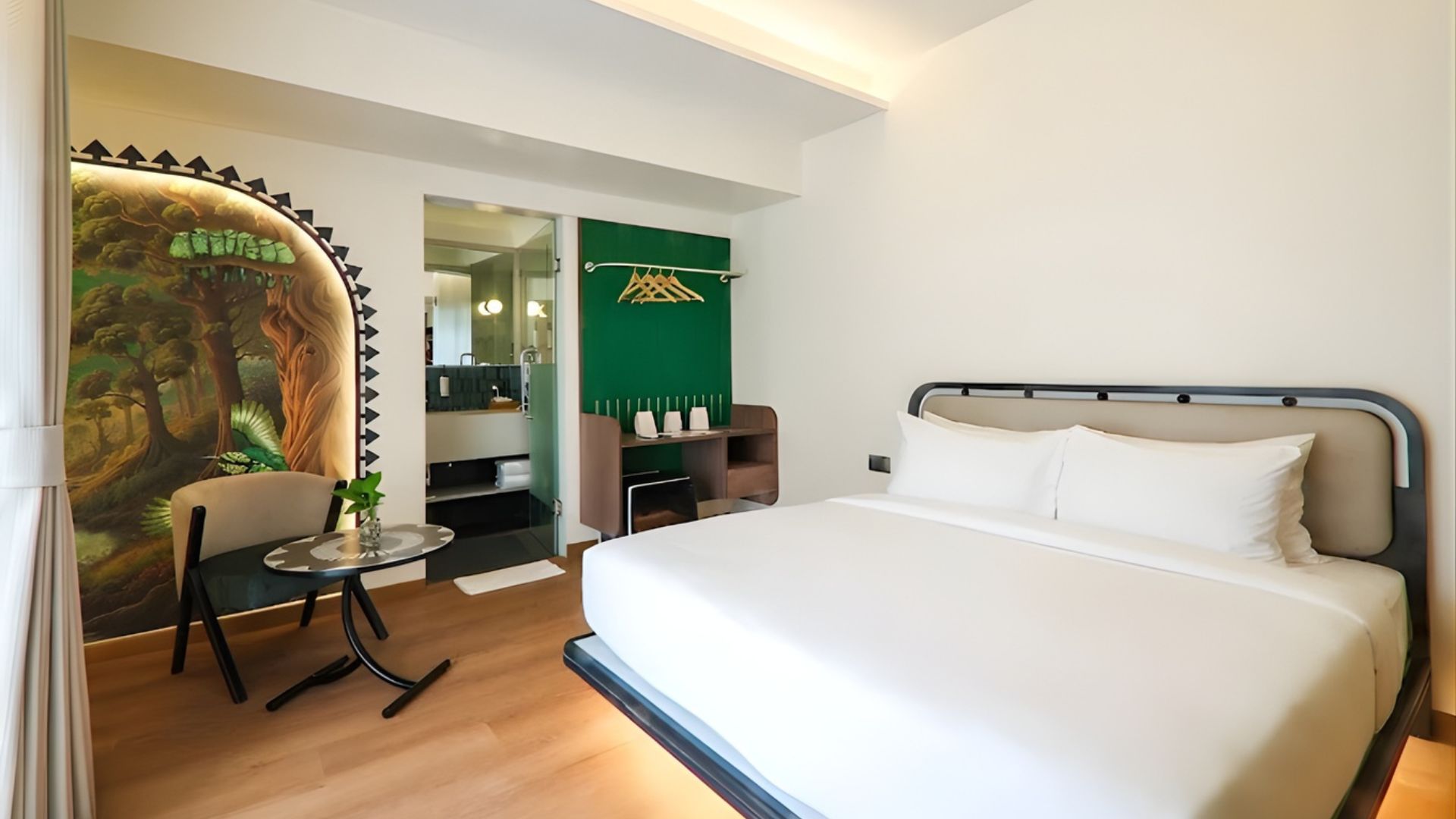
The placement of the bed, bedside tables, luggage area, wardrobe, work surface and circulation paths all affect how easily a guest can use the room. Even generous room dimensions can feel inconvenient if furniture interrupts movement or essential elements are positioned awkwardly.
Good planning should consider questions such as:
- Can guests move naturally from the entrance to the bed and bathroom?
- Is there enough usable space around major furniture pieces?
- Can luggage be opened without blocking circulation?
- Are storage areas easy to access?
- Is the work or dressing surface positioned practically?
- Can more than one guest use the room without constantly crossing paths?
These may sound like small considerations, but together they determine whether the space feels effortless or compromised.
The Bed Area Needs More Than Visual Appeal
The bed is usually the focal point of a hotel room, but its surroundings matter just as much.
Bedside lighting, accessible switches, charging points and usable surfaces should all be considered together. Guests should not need to get out of bed repeatedly to control basic functions or search for a suitable place to keep personal items.
Thoughtful hotel room interior design treats the bed zone as a functional setting rather than simply a styling opportunity.
The dimensions and placement of headboards, tables and nearby fittings should also support easy movement, particularly where the room is designed for two occupants.
Lighting Should Adapt to Different Moments
Hotel guests rarely use their rooms for only one activity.
A traveller may arrive in the afternoon, work for an hour, prepare for dinner, read before sleeping and then get ready early the next morning. One type of lighting cannot serve all of these situations equally well.
A considered lighting plan may combine:
- General ambient lighting
- Bedside reading lights
- Focused lighting near desks or work surfaces
- Appropriate mirror or dressing-area lighting
- Softer illumination for evening use
The objective is flexibility. Guests should be able to create a brighter functional environment when required and a calmer setting when they want to rest.
Storage Should Be Easy to Understand
Guests should not have to study a room to work out where things belong.
Wardrobes, luggage storage, drawers, shelves and hanging areas need to be positioned where they are genuinely useful. This becomes particularly important for longer stays, where guests are more likely to unpack rather than live out of a suitcase.
Storage should also reflect the physical limitations of the room. Oversized cabinetry can reduce usable floor area, while insufficient storage can quickly make the room feel cluttered.
The best solutions make organisation intuitive without dominating the interior.
Materials Influence Both Experience and Practicality
Hotel room materials need to achieve a balance between appearance and everyday performance.
Surfaces are cleaned frequently. Furniture is used by a continuous sequence of guests. Handles, tabletops, upholstery and flooring all experience regular contact.
Material selection should therefore consider:
- Durability under repeated use
- Ease of cleaning and maintenance
- Suitability for the specific application
- Texture and tactile comfort
- Visual consistency across the room
- How materials will age over time
In this context, hotel room interior design needs to look beyond initial presentation. A finish that photographs well but performs poorly in daily hotel use can create maintenance challenges later.
Small Details Can Shape the Entire Stay
Guest comfort is often influenced by details that are easy to underestimate during the design stage.
A conveniently placed power socket matters when someone needs to charge a phone overnight. A properly positioned mirror makes getting ready easier. A clear place for luggage prevents suitcases from occupying circulation space. A well-sized desk can make a short work session significantly more comfortable.
None of these features needs to be dramatic. Their value comes from being where guests naturally expect them to be.
This is also where understanding the guest profile becomes important. A business-oriented hotel may prioritise functional work surfaces and convenient connectivity, while a leisure property may give more attention to relaxation, storage and the overall sense of retreat.
Good Hotel Rooms Balance Brand and Usability
A hotel room should still feel connected to the identity of the wider property.
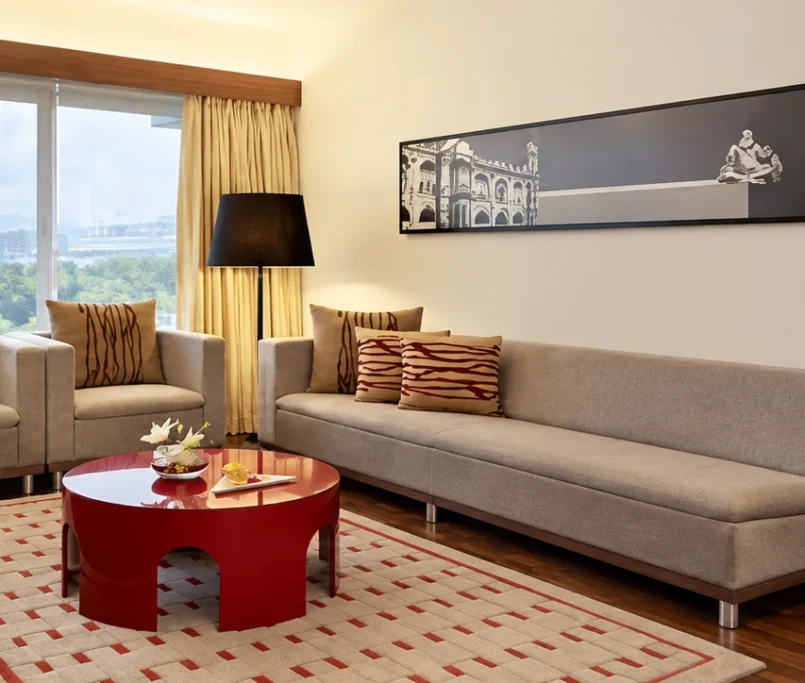
Colours, materials, furniture forms and detailing can help create that consistency, but brand expression should not come at the cost of comfort. Guests should never have to work around a design feature simply because it looks distinctive.
Strong hotel room interior design finds a middle ground where the room feels recognisable and characterful while remaining intuitive to use.
For hospitality interior projects, this balance between aesthetics, functionality and guest experience plays an important role in creating spaces that support the overall property vision.
Designing for the Stay, Not Just the First Impression
The most successful hotel rooms are rarely the ones with the most decorative elements. They are the ones where planning, furniture, lighting, storage and materials work together so naturally that the guest barely notices the effort behind them.
Atmosphere.work supports hospitality interior projects through design, build, fixtures and furniture capabilities. For hotel brands looking to create guest rooms that combine practical comfort with a cohesive interior experience, its integrated approach can help carry the design intent through to the physical space.
Frequently Asked Questions
1. Why is spatial layout critical in hotel room interior design?
A well-planned spatial layout ensures intuitive guest circulation between the entrance, bed, bathroom, and luggage zones. Thoughtful arrangement prevents furniture from obstructing movement, allowing guests or multiple room occupants to navigate and utilize the space effortlessly without feeling cramped.
2. How does a layered lighting strategy enhance guest comfort?
Because guests use their rooms for varied activities like working, relaxing, and preparing for the day, a single lighting source is insufficient. Combining ambient overhead light, task lighting at desks, focused bedside reading lamps, and dim evening illumination gives guests flexible control over their environment based on their needs.
3. What key factors should dictate material selection for hotel guest rooms?
Materials must strike a balance between aesthetic appeal and high-performance commercial durability. Surfaces, upholstery, and flooring must withstand continuous guest use, tolerate frequent cleaning, resist premature wear, and age gracefully over time without creating ongoing operational maintenance burdens.
4. How do small design details influence the overall guest experience?
Minor details such as easily accessible charging sockets near the bed, well-placed mirrors, and dedicated luggage areas, directly address everyday guest needs. When these functional elements are placed intuitively, they eliminate small travel frustrations and make the stay feel seamlessly convenient.
5. How can hotels align interior design with brand identity without sacrificing usability?
Hotels achieve this balance by using signature color palettes, custom furniture profiles, and cohesive textures that reflect the brand, while keeping layouts user-friendly. Distinctive aesthetic choices should never compromise guest convenience, spatial flow, or ergonomics.