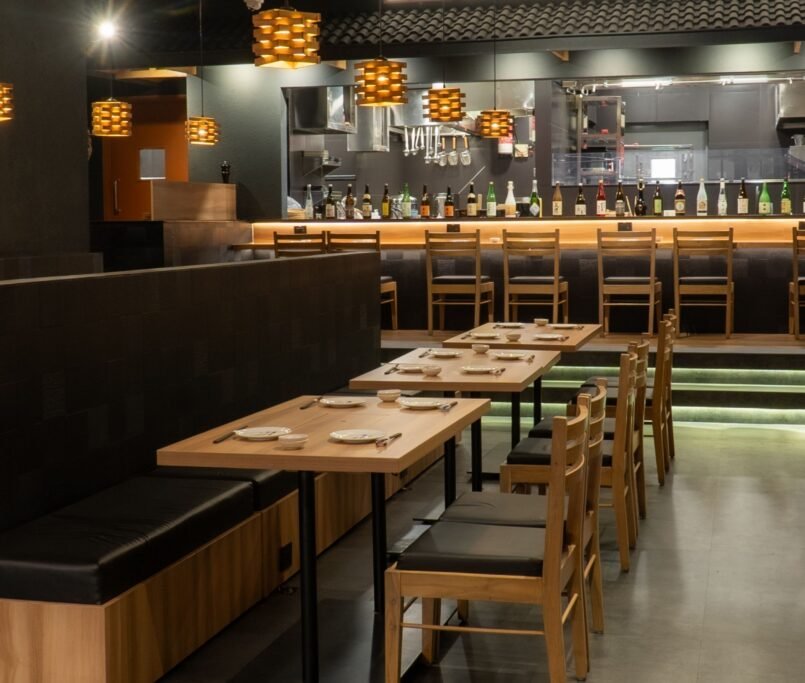
Price does not make a restaurant feel luxurious. Plenty of expensive ones do not.
A guest paying four thousand rupees for a meal and leaving underwhelmed is not doing a value calculation. They are comparing what they felt against what they expected. And at a luxury price point, the expectation is total. The food, yes. But also the light, the sound, how far the next table is, the resistance of the chair when they settle into it. Every one of those is a design decision. When any one breaks the spell, the whole evening fractures with it.
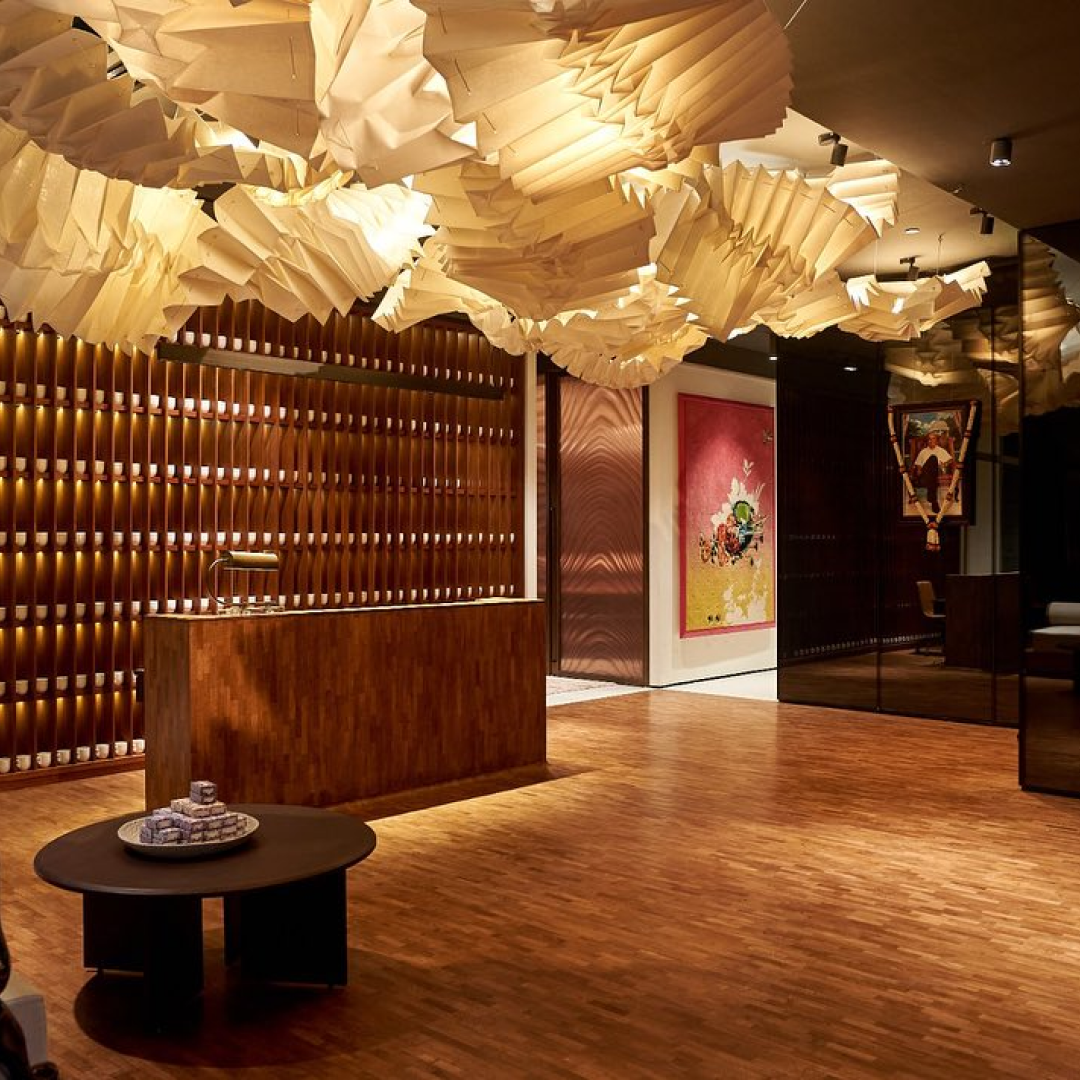
Luxury restaurant interior design is not a category of aesthetics. It is the discipline of orchestrating an experience where the physical space carries as much weight as what comes out of the kitchen – sometimes more.
What luxury actually feels like
Start with the feeling. Not the finish.
Most attempts at a luxury dining interior land in one of two traps. The first: formality without warmth. The room looks expensive and the guest is aware of it but never quite relaxed inside it. The second: opulence without restraint. Every surface announces its own quality until the cumulative effect becomes exhausting rather than elevated.
The spaces that actually work do something harder. They make the guest feel like the most important person in the room without the room ever trying to. That distinction – between design that impresses and design that quietly holds someone – is the whole brief. Restaurant interior design at the luxury tier earns trust before it earns admiration. The guest should feel at ease before they notice how beautiful the space is.
Proportion: the decision made before any material is chosen
Luxury dining spaces are generous. Not wasteful. There is a difference.
The table spacing gives a conversation room to stay private at a normal volume. The ceiling height creates occasion without making the room feel like an atrium. The sequence from the street into the dining room – however long or short – creates a transition that lets the guest arrive mentally, not just physically.
These proportional decisions live in the floor plan. They are made before a single material is specified. A space with the right proportions will feel luxurious regardless of what it is clad in. Wrong proportions, and no amount of stone and brass will fix the underlying discomfort.
This is the argument at the centre of good hospitality architecture and interiors work. Spatial logic first. Everything else serves it.
Lighting: more structural than most restaurant briefs treat it
Luxury restaurant lighting is one of the technically harder briefs in commercial interior work. The requirements pull in multiple directions simultaneously.
Food should look better than it does in natural light. Guests should look better than they do in natural light. The room should feel intimate when full and not hollow when half-occupied. The atmosphere should shift between early service and late evening without the guest consciously noticing a change.
Getting all of this right means treating lighting as a design discipline alongside the floor plan, not a final-stage specification. Where pendants sit relative to table positions. What wall-wash does to the material behind it. How bar lighting creates a visual anchor without pulling the eye away from the dining floor. These are architectural decisions made early in the project – not decisions made late by an electrician working from a half-finished brief.
What guests touch, and why it matters more than what they see
In a luxury dining context, the guest is in physical contact with the space for the duration of the meal.
They run a hand across the chair back when they sit. They feel the table edge. The fabric on the banquette beside them. The handle on the bathroom door. Every one of these contact points communicates something about the brand, and it communicates it directly through the body rather than through the eye.
The difference between a chair upholstered in fabric with genuine weight and texture and one upholstered in something that photographs identically but feels synthetic – that difference is invisible in a portfolio. It registers immediately when touched.
Luxury restaurant interior design briefs that include a tactile specification alongside a visual palette produce interiors that hold up under the scrutiny of the guest who is paying close attention. Most briefs skip this entirely.
Acoustic quality as a commercial differentiator
The luxury dining market in India has a noise problem that almost nobody addresses adequately.
Hard surfaces, high ceilings, and a full dining floor produce ambient noise levels that force guests to raise their voices. Which makes it worse. Which makes the table next to them raise their voices. A table where you cannot hear your companion without leaning forward is not a luxury experience, regardless of the plate.
Acoustic treatment integrated from the design stage – upholstered surfaces, fabric ceiling panels, carpet or textured floor materials, soft wall finishes – changes the operating noise floor at full capacity. Guests who can have a normal conversation feel more comfortable, stay longer, and associate the evening with ease rather than effort.
This is not a finishing decision. It is a structural one. Adding acoustic treatment after the fit-out is complete costs two to three times more and delivers half the result compared to addressing it while the material specification is still open.
The brief questions that produce better interiors
Before any concept is drawn, these questions need real answers:
- Who is the specific guest – and what does their version of a perfect evening look like before they decide where to go?
- What is the price point and what expectation does that price carry in this particular market and city?
- Is the restaurant primarily a destination for romance, celebration, business entertainment, or cultural experience? Can the space flex across all four without losing its identity?
- What is the acoustic target at full capacity?
- What story does the space tell about where it exists and why?
Hospitality architecture and interiors work that starts from these questions produces positioned restaurants – spaces with a reason to exist beyond location and menu, because the interior is doing part of the narrative work every evening.
Launch versus long-term
Luxury restaurants in India open to full houses more often than they stay that way.
The ones that become long-term destinations share one characteristic: the space does not exhaust itself. A room where the concept is too legible – where the design idea can be read in thirty seconds and there is nothing left to discover – performs once and then fades. The spaces that sustain over years reveal themselves slowly. A detail noticed on the eighth visit that was always there. The room feels different on a Tuesday lunch than it does on a Saturday evening, not because anything changed but because the light and the occupancy produced a different version of the same space.
That quality – designed depth, for want of a better phrase – is what separates a room built to impress from one built to last. The difference does not show up in the photographs. It shows up in the reservation data twelve months after opening.