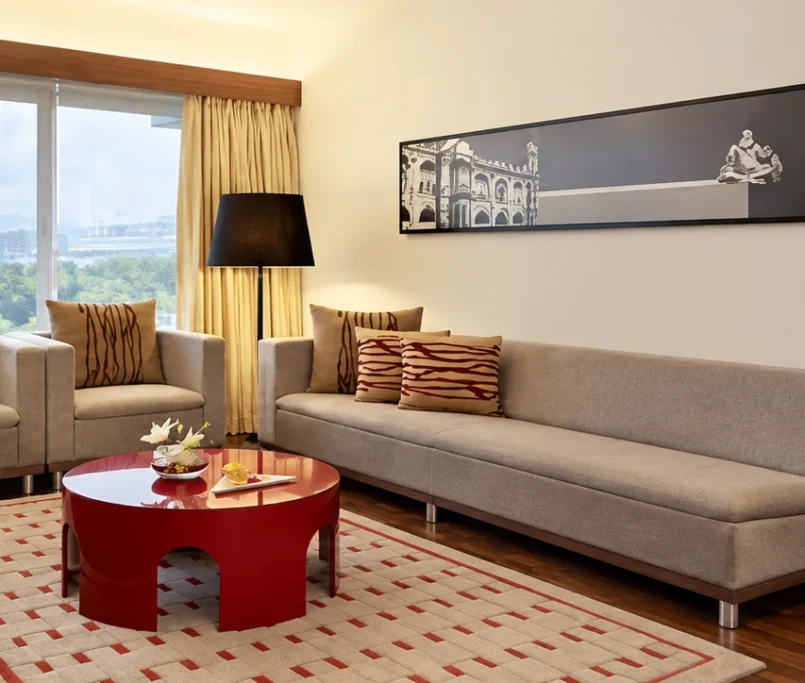
Hospitality Interior Design Trends: Creating Memorable Guest Experiences Through Space Design
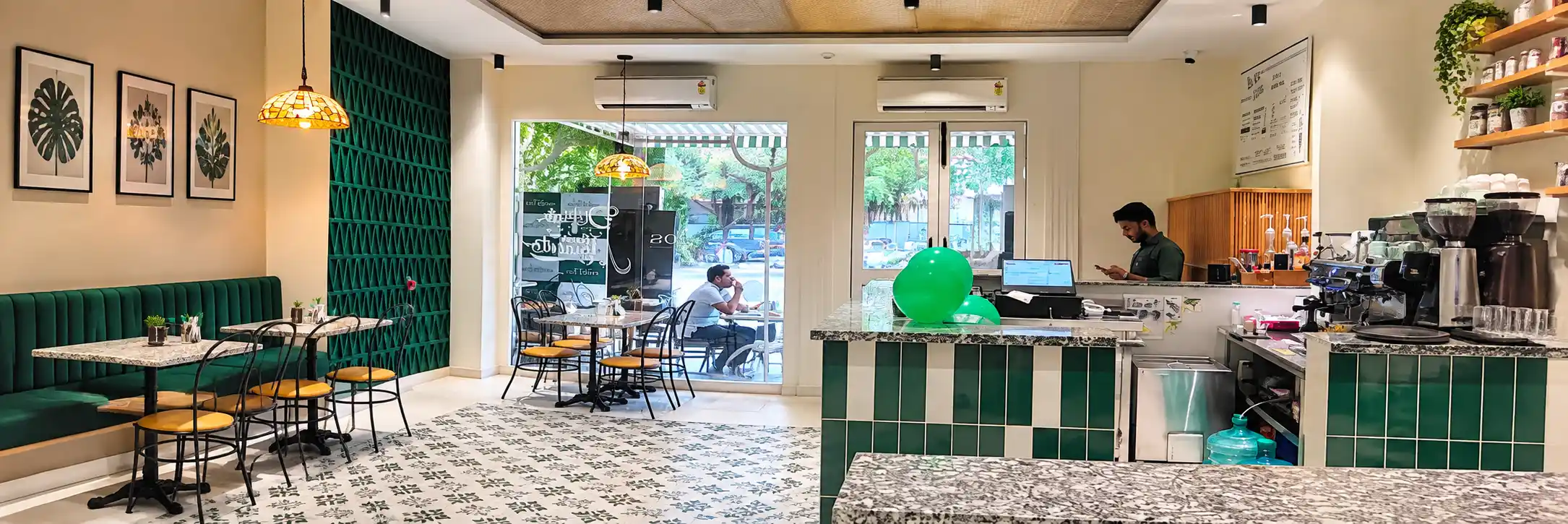
Guests begin forming an opinion about a hospitality space before they sit down, order food or enter their room. The entrance, lighting, materials, furniture and even the ease of moving through the property contribute to that first impression. This is why hospitality interior design is increasingly focused on the complete guest experience rather than appearance alone.
For hotels, restaurants and cafés, the challenge is to create spaces that feel distinctive while remaining comfortable and practical. Several design directions are shaping how businesses approach that balance today.
The Experience Starts at the Entrance
Arrival areas have become an important part of the hospitality journey.
An entrance should give guests an immediate sense of what kind of experience awaits them. A relaxed café, premium restaurant and contemporary hotel should not communicate in exactly the same way.
Designers can create this first impression through a combination of:
- Lighting and visual warmth
- Material and finish selection
- Furniture style
- Signage and brand elements
- Clear pathways into the space
- Thoughtful reception or waiting areas
The objective is not to overload the entrance with decorative features. A few well-planned elements can establish the mood much more effectively.
Spaces Are Becoming More Flexible
Hospitality environments rarely serve only one purpose throughout the day.
A hotel lounge might accommodate informal meetings in the morning and social interaction later in the evening. A café may need seating for solo visitors, couples and larger groups within the same floor area.
Flexible planning is therefore becoming increasingly relevant.
Rather than filling every available corner, designers can create different zones that give guests choices. Furniture arrangements, lighting and spatial separation can help one environment support several types of use without making it feel disconnected.
This flexibility also allows hospitality businesses to make better use of valuable commercial space.
Local Character Is Replacing Generic Luxury
Luxury does not always need to mean polished surfaces, dramatic finishes and identical visual language.
Guests increasingly respond to spaces that have their own identity. Materials, artwork, textures and design details can help create a stronger connection between the property, its concept and its surroundings.
For hospitality interior design, this creates an opportunity to move away from spaces that could exist anywhere.
The key is restraint. Local references should feel integrated into the design rather than added as decoration. When done carefully, they can give guests something distinctive to remember without making the environment feel themed.
Lighting Is Being Treated as Part of the Experience
Lighting can completely change how a hospitality interior feels.
Bright, even lighting may work in one area, while softer illumination may be more suitable for another. The requirements can also change between daytime and evening use.
Instead of treating lighting as a final technical requirement, it can be considered alongside materials, furniture and spatial planning.
Good lighting can help:
- Define different zones
- Draw attention to selected design features
- Create a more comfortable atmosphere
- Support different uses within one space
- Influence how colours and materials are perceived
It should support the experience rather than compete for attention.
Comfort Is Moving Back to the Centre
A visually impressive chair that becomes uncomfortable after 20 minutes is not necessarily a successful hospitality choice.
Guests physically interact with furniture, counters, seating and circulation areas. These details influence how long they stay and how naturally they use the space.
This is why hospitality interior design needs to consider ergonomics alongside visual appeal.
Seating dimensions, spacing between tables, movement routes and furniture placement all deserve attention. Guests may never consciously notice when these elements work well, but they are likely to notice when they do not.
Natural Materials and Calmer Visual Language
Another noticeable direction is the use of warmer, more tactile interiors.
Wood finishes, textured surfaces, natural-looking materials and softer visual palettes can make hospitality environments feel less clinical and more welcoming. The goal is not necessarily to make every space minimal. Instead, designers are using texture and material contrast to create depth without excessive visual noise.
This approach can work particularly well in spaces where guests are expected to spend longer periods of time.
Designing Moments Guests Remember
Memorable spaces often contain a few carefully considered moments rather than dozens of competing features.
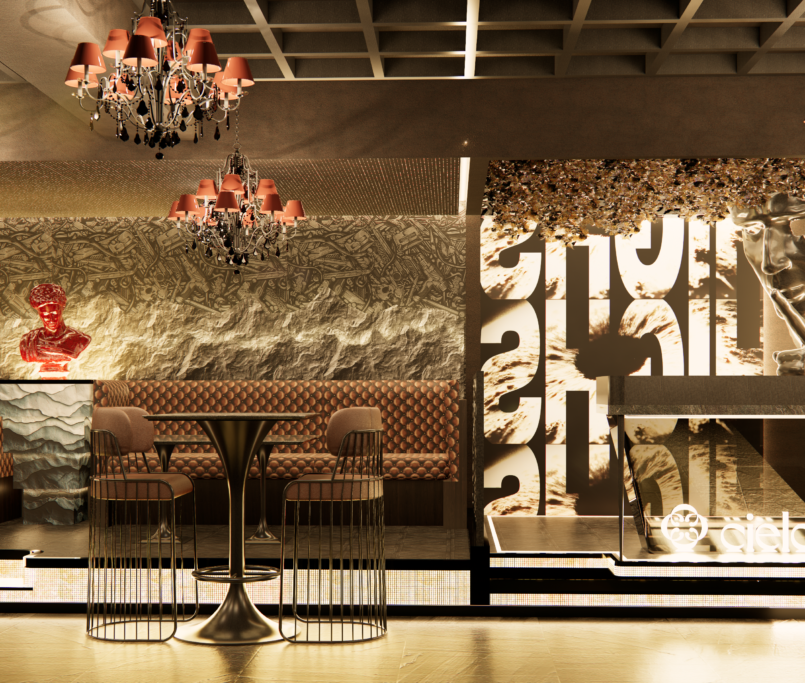
It might be an interesting reception backdrop, a distinctive seating area, customised furniture or a visually strong transition between spaces.
These moments can become part of how guests remember the property.
However, designing only for photographs can be a mistake. A feature should still belong naturally within the wider environment. The strongest design moments support both the brand identity and the way guests actually experience the space.
Design Should Work Behind the Scenes Too
Guest experience is only one side of hospitality design.
Restaurants, cafés and hotels are working environments. Staff need sensible movement routes, functional areas and spaces that support everyday operations.
Successful hospitality interior design considers both perspectives. A space can feel effortless to a guest precisely because significant thought has gone into how it functions behind the scenes.
When aesthetics and operations are planned together, the finished environment has a better chance of working beyond opening day.
Turning Hospitality Concepts Into Real Spaces
A memorable hospitality environment comes from aligning atmosphere, functionality and brand character rather than following trends for their own sake. Atmosphere provides hospitality design and build solutions, helping businesses develop commercial spaces where the design concept and physical execution work together.
Frequently Asked Questions
1. What is hospitality interior design?
Hospitality interior design focuses on creating functional and engaging spaces for businesses such as hotels, restaurants and cafés. It considers guest experience, layout, furniture, materials, lighting and operational requirements.
2. Why is interior design important for hospitality businesses?
Interior design influences how guests experience a property from the moment they arrive. Good planning can make spaces easier to navigate, more comfortable to use and more consistent with the business’s identity.
3. What makes a hospitality space memorable?
A memorable space usually combines a clear identity with comfort and thoughtful details. Distinctive materials, lighting, furniture or focal points can contribute to recall when they fit naturally within the overall concept.
4. Should hospitality interiors follow current design trends?
Trends can provide useful inspiration, but they should not dictate every decision. The design should first respond to the brand, target guests, operational requirements and intended experience.
5. How can hospitality interiors balance appearance and functionality?
The two should be considered together from the planning stage. Layout, circulation, furniture and materials can be selected according to practical needs while still supporting the desired visual character of the space.