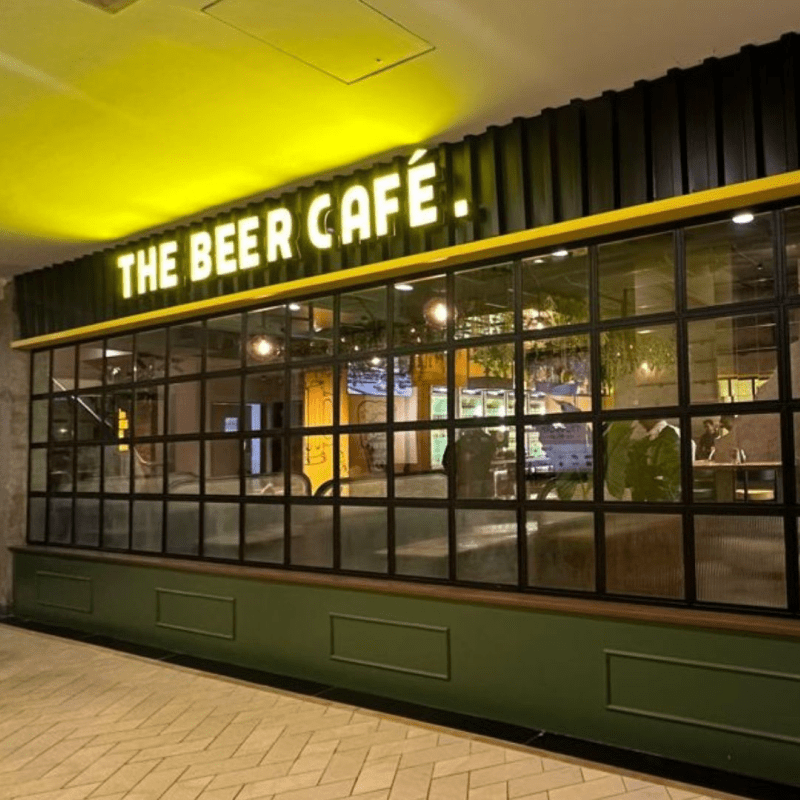
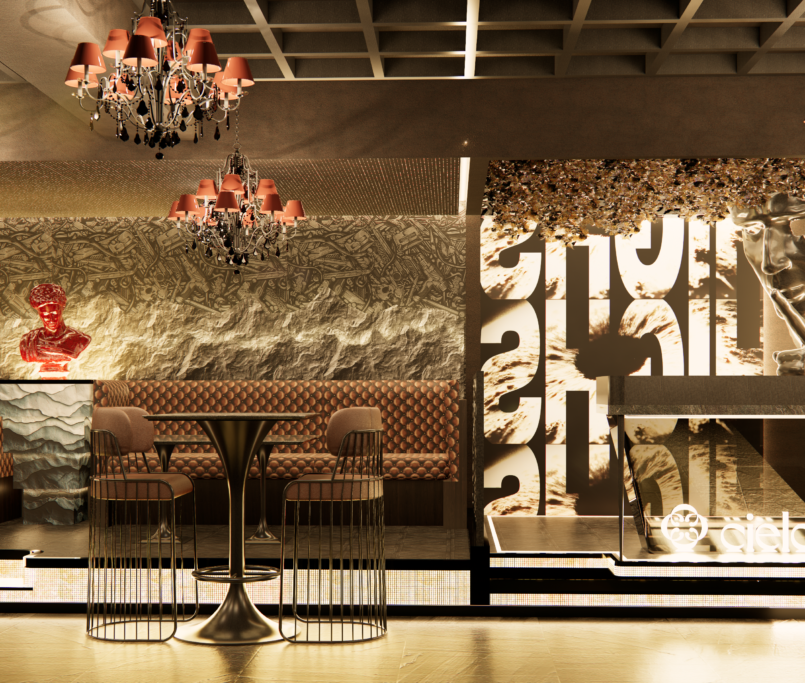
Most Delhi restaurants fail not because the food is bad. They fail because someone thought the interiors could wait.
A restaurant concept dies in the gap between what a founder imagines and what a contractor delivers six months late. By the time the tiles are wrong, the lighting is off, and the furniture hasn’t arrived, the lease clock is already eating the budget. This is not a rare story. It is the default story.
Hospitality interior design in Delhi is not a line item. It is the decision that determines whether a restaurant opens on time, on budget, and actually feels like what you sold to your investors.
The Real Reason Restaurants Bleed Money Before Day One
Here is what actually happens on most Delhi restaurant builds.
An owner signs a lease in Hauz Khas or Connaught Place. They hire an architect. The architect hands off to a contractor. The contractor subcontracts the furniture.
The furniture vendor sources from three different places. Nobody is talking to each other about the same deadline. The marble arrives late. The seating doesn’t match the floor plan the architect revised two months ago. The electrician hasn’t been briefed on the pendant lights that need a different circuit.
On opening day, half the tables are missing. The bar counter has a visible seam. The lighting makes the food look grey.
This is not incompetence. It is the natural outcome of a fragmented process.
What Turnkey Actually Means (Not the Brochure Version)
Turnkey gets misused constantly. Vendors call themselves turnkey when they mean “we’ll handle most of it.” That is not turnkey.
Real turnkey means one team owns concept, design, prototyping, manufacturing, and fit-out. No handoffs between vendors who don’t share a deadline. No finger-pointing when the booth cushions don’t match the wall treatment. No chasing three separate suppliers for a punch list nobody owns.
For hospitality interior design in Delhi, this matters more than it does anywhere else. The city has a brutally competitive restaurant market. South Delhi alone has opened and closed hundreds of concepts in the last five years.
The restaurants that survive are not always the ones with the best menus. They are the ones that opened on time, built a space that photographs well, and created an environment people want to return to.
Space does that. Not just food.
The Compounding Problem: Design Without Manufacturing
Here is a gap most founders never see until it is too late.
A designer creates a beautiful bar counter concept. Custom curves, inlaid stone, specific joinery. The design file goes to a furniture vendor who has never seen the space. The vendor builds to spec but without context. The counter arrives and it is technically correct and physically wrong. The curve blocks the bartender’s sightlines. The height is off by four centimetres because the floor level wasn’t accounted for.
Now what?
The restaurant is delayed. The designer blames the vendor. The vendor blames the measurements. The owner pays twice.
When design and manufacturing sit in the same building, this conversation doesn’t happen. A 30,000 sq ft factory that produces custom fixtures from the same drawings the designer generated eliminates an entire class of failure. Not reduce it. Eliminates it.
Three Decisions That Determine Whether a Delhi Restaurant Opens Well
1. Who Holds the Whole Process
Not who does the most work. Who is accountable for the outcome? In a fragmented build, nobody is. Everyone is responsible for their piece. Nobody owns the whole. Find the entity that will sign their name on concept, design, prototyping, and delivery together.
2. Whether the Space Has Been Prototyped
A prototype before a build is not a luxury. For high-investment retail environments, it is the only way to validate that what exists in 2D survives contact with reality. Full-scale mock-ups catch problems that no render can show. Prototyping before manufacturing cuts rework by a significant margin.
3. Timeline Against Lease
Most restaurant owners negotiate a lease and then figure out the build. That sequence is backwards. The build timeline should inform how early you sign. Hospitality interior design in Delhi that takes 14 weeks to execute needs to begin before the lease starts, not after. Every week of construction inside a paid lease is money that will never come back.
Why Delhi Specifically Is an Unforgiving Market
Delhi is not a patient restaurant city. A soft opening with unfinished interiors gets photographed and shared before the kitchen has found its rhythm. A space that feels “not quite right” creates a first impression that online reviews then cement.
Markets like Rajouri Garden, Kamla Nagar, and Nehru Place all have restaurants competing within 200 metres of each other in the same category.
The differentiator is rarely the menu at that point. It is the experience of being inside the space. Light, material, proportion, flow between front-of-house and kitchen.
That is a design problem. And design that is disconnected from build is just art that didn’t survive construction.
What Atmosphere Does Differently
Atmosphere is not an interior design firm that happens to have contractor relationships. They are a design-and-build company with their own manufacturing operation. That is a structural difference, not a marketing distinction.
Their process runs from concept to completion without the handoff problem. An in-house design team, a prototyping facility, and a 30,000 sq ft manufacturing unit that produces custom fixtures are all part of the same organisation.
When the designer revises a spec, the factory already knows. When a hospitality client in Delhi needs faster delivery to match a lease window, the build team and the manufacturing team are on the same call.
For restaurant founders in Delhi navigating the gap between a good concept and an operational space, that integration is not a nice-to-have. It is the thing that decides whether they open in six months or eight.
Hospitality interior design in Delhi done right is not just about aesthetics. It is about having one partner who can be held accountable for the whole outcome.
If you are building a restaurant in Delhi and you are still managing three vendors, a separate architect, and a furniture supplier who has never been to your site, that is worth stopping to fix now. Not after the tiles arrive.