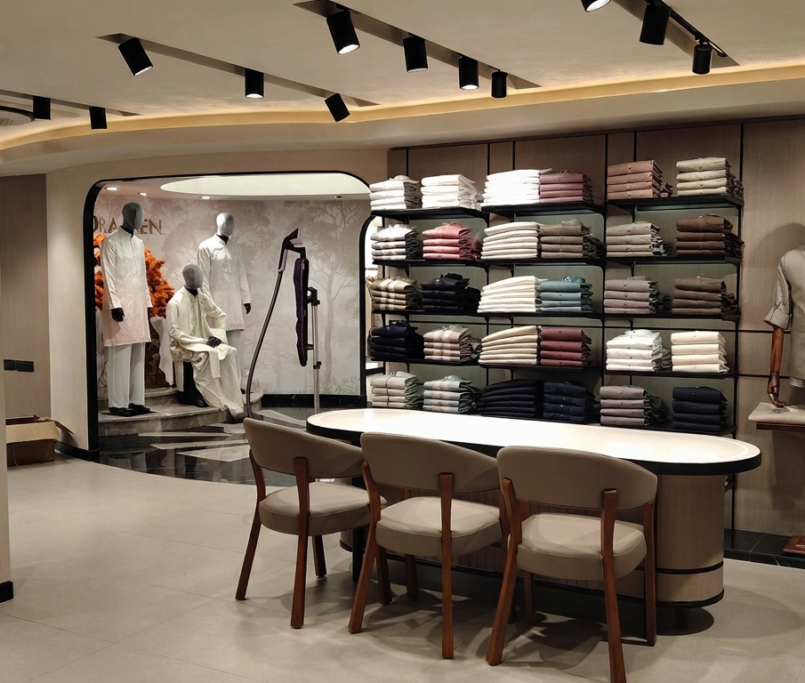
Most commercial fit-out projects don’t fail because of bad design. They fail because no single party owns the outcome. One firm designs, another builds, a third sources the fixtures, and somewhere between those handoffs, the budget expands and the timeline quietly unravels. Commercial turnkey contractors exist to close that gap. One entity, full accountability, from first sketch to opening day.
Here is what the turnkey model actually looks like in practice, the process, the cost drivers, and why commercial operators are increasingly choosing it over the fragmented alternative.
What “Turnkey” Actually Means Here
The term gets used loosely. In a commercial context, turnkey construction services means a single contractor takes ownership of the entire project. Design, construction, fixture manufacturing, sourcing, and project management all sit under one roof. No scope gaps, no “that’s not our department” conversations mid-build.
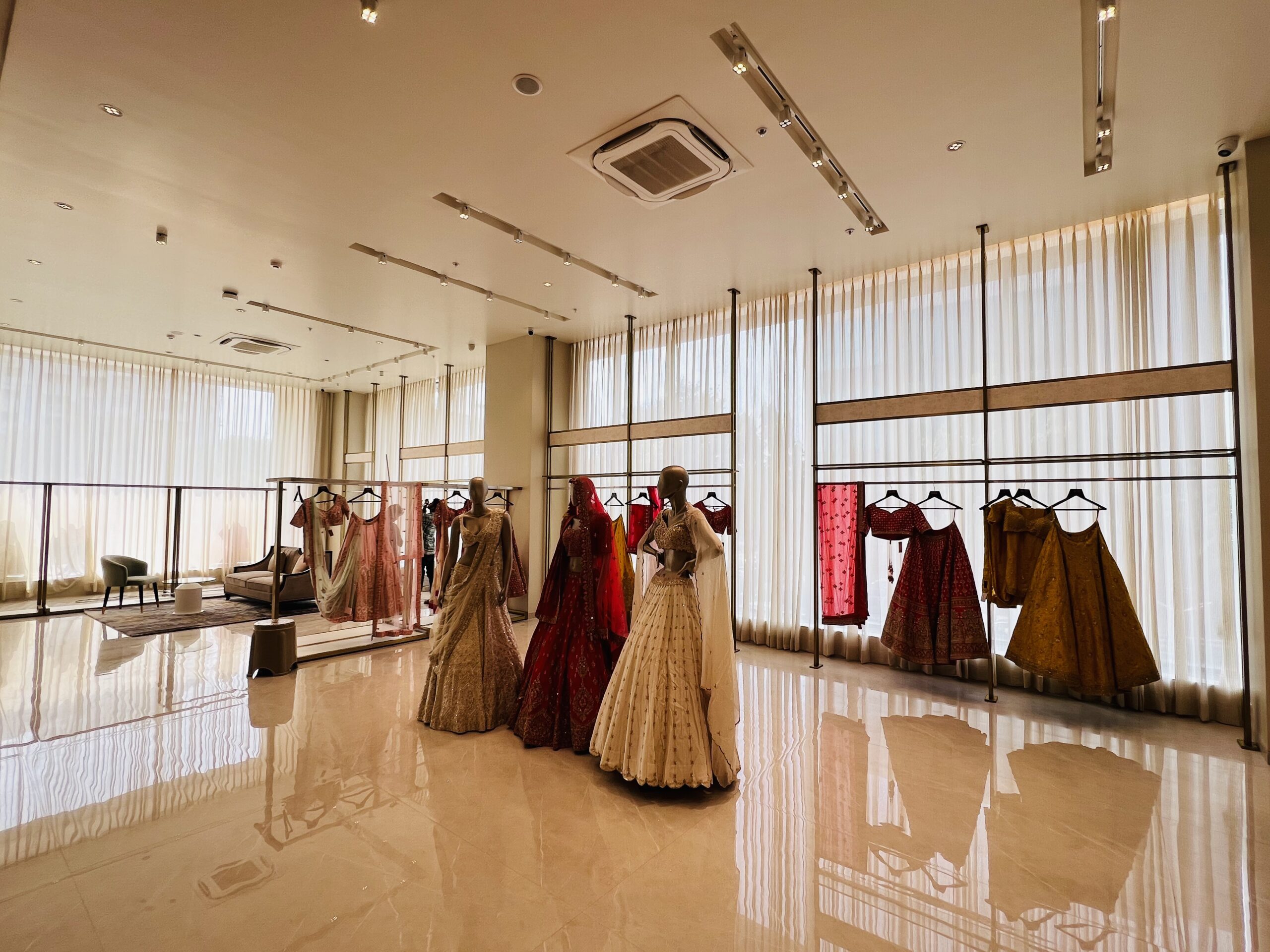
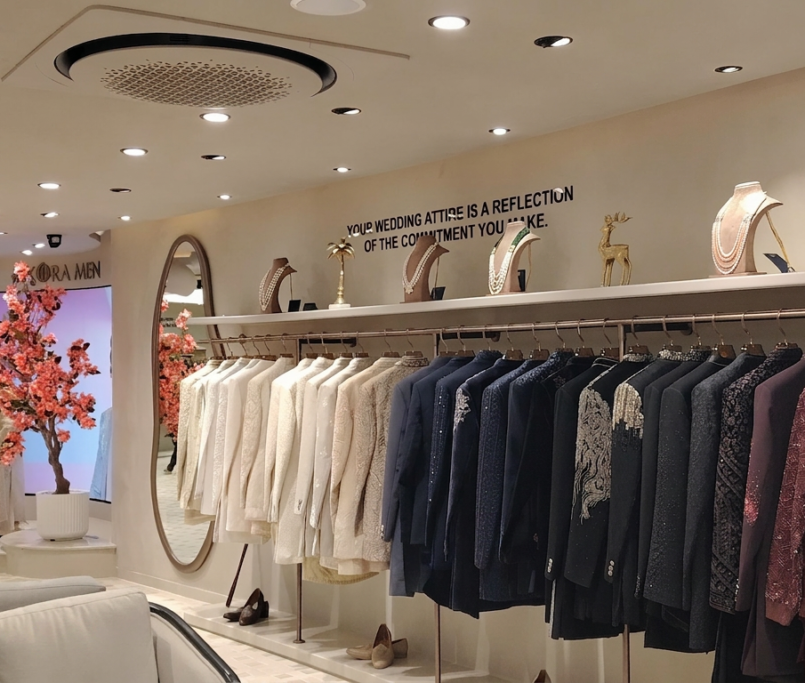
For commercial spaces, retail stores, jewellery showrooms, restaurants, office interiors, this matters more than it might first seem. Commercial environments carry specific pressures:
- High footfall means material durability is non-negotiable, not aspirational
- Brand consistency must carry through every surface, fixture, and junction detail
- Timelines are tied to lease commencements, stock arrivals, and campaign launches
- Many operators are rolling out across multiple sites, not just one
The turnkey model is built for exactly this kind of pressure.
The Process, Stage by Stage
A well-run turnkey interior contractors engagement moves through five clear stages, though the best contractors will tell you the first one is where most projects win or lose.
Discovery and Brief
Space dimensions, customer journey mapping, brand guidelines, budget parameters. A good contractor asks uncomfortable questions here. Vague briefs produce expensive surprises later.
Concept Design
Spatial planning, material palettes, lighting, furniture, all developed against the brief. The goal is a space that serves operations first and looks good second. A beautiful store that confuses customers or wears out in eighteen months is a failure regardless of how it photographs.
Design Development and Fixture Planning
Working drawings, shop drawings, fixture schedules. If the contractor manufactures in-house, and the best ones do, this is also when custom fixtures get engineered to specification. Off-the-shelf rarely fits a commercial brief well.
Build and Manufacturing
Where timeline discipline counts most. When site work and manufacturing run in parallel, which is only possible when a single team controls both, the programme compresses significantly. Sequential handoffs between separate vendors cannot match this.
Installation and Handover
Fixtures arrive on site pre-built. Installation is faster. Snagging is handled before handover. The client gets a space that is ready to trade, not ready to be finished.
What It Actually Costs
There is no honest flat rate for commercial fit-outs. The variables are real. Turnkey design and build services will often cost more upfront than piecemeal contracting, and less by the time the project closes. The savings come from eliminated coordination waste, not from lower hourly rates.
The cost drivers on any commercial project include:
- Space size and complexity – A linear retail store and a multi-zone jewellery showroom are fundamentally different builds
- Material specification – Stone, engineered timber, and custom metalwork cost more than standard finishes and perform better over time
- Fixture count and customisation – Bespoke display units carry a higher unit cost and a longer useful life
- Location logistics – Site access, local labour rates, and delivery distances all feed into the number
- Timeline – Compressed programmes require more concurrent resources, which costs more
Where the turnkey model earns its margin is in change management. Design changes happen on every project. When they do, the same team absorbs the change across design, manufacturing, and site simultaneously. With fragmented vendors, every change triggers a fresh negotiation.
Three Advantages Worth Naming Directly
Single accountability
One call when something is off. No cycling between designer and builder over whose specification was wrong.
Compressed delivery
Parallel workflows between design, manufacturing, and site prep shorten the critical path. For retail operators with fixed launch dates, that is not a minor convenience.
Consistency across locations
Businesses rolling out multiple sites need the tenth store to look like the first. Turnkey commercial interiors delivered by one contractor produce that consistency in a way that a rotating cast of vendors simply cannot.
Where Atmosphere Fits In
Atmosphere.work has delivered commercial spaces for retail apparel, fine jewellery, F&B, and workspace clients across India, brands that operate in competitive environments where the fit-out is part of the product experience, not background scenery.
The in-house manufacturing facility in Bhiwandi produces custom fixtures and furniture built to exact specification. The design team works from brief through to installation without handoff gaps.
If you are planning a commercial fit-out, a single flagship or a multi-location programme, talk to the Atmosphere team. Bring your brief, your timeline, and your constraints. That is where the conversation starts.
Get in touch at atmosphere.work/contact-us