7 Retail Interior Design Trends That Boost Foot Traffic and Sales
A store may have excellent products and competitive prices, but that alone doesn’t guarantee customers will walk in. In a busy shopping street or mall, people often decide whether to enter a store based on what they can see from outside.
Once inside, the layout, lighting and product displays influence how comfortably they shop.
This is why retailers are paying closer attention to store interiors. Working with a retail fit out company can help businesses plan spaces that attract attention without compromising everyday operations.
Here are seven retail interior design trends worth considering, especially for brands planning new outlets or renovating existing stores.
1. Open Storefronts That Make Products Visible
Large entrance displays and bulky fixtures can make a store look crowded before customers even step inside.
Retailers are increasingly exploring open storefronts with fewer visual barriers. The idea is simple: let people see enough of the store to become curious.
For example, a fashion outlet can position its latest collection where passing shoppers can notice it without entering.
What retailers should consider:
- Keep entrance displays below eye level where practical.
- Maintain a clear view of featured merchandise.
- Avoid placing promotional stands directly in the walking path.
An open entrance may encourage exploration, although its effectiveness depends on the store’s location and customer behaviour.
2. Lighting That Changes How Products Are Seen
Lighting deserves more attention than it usually receives during store planning.
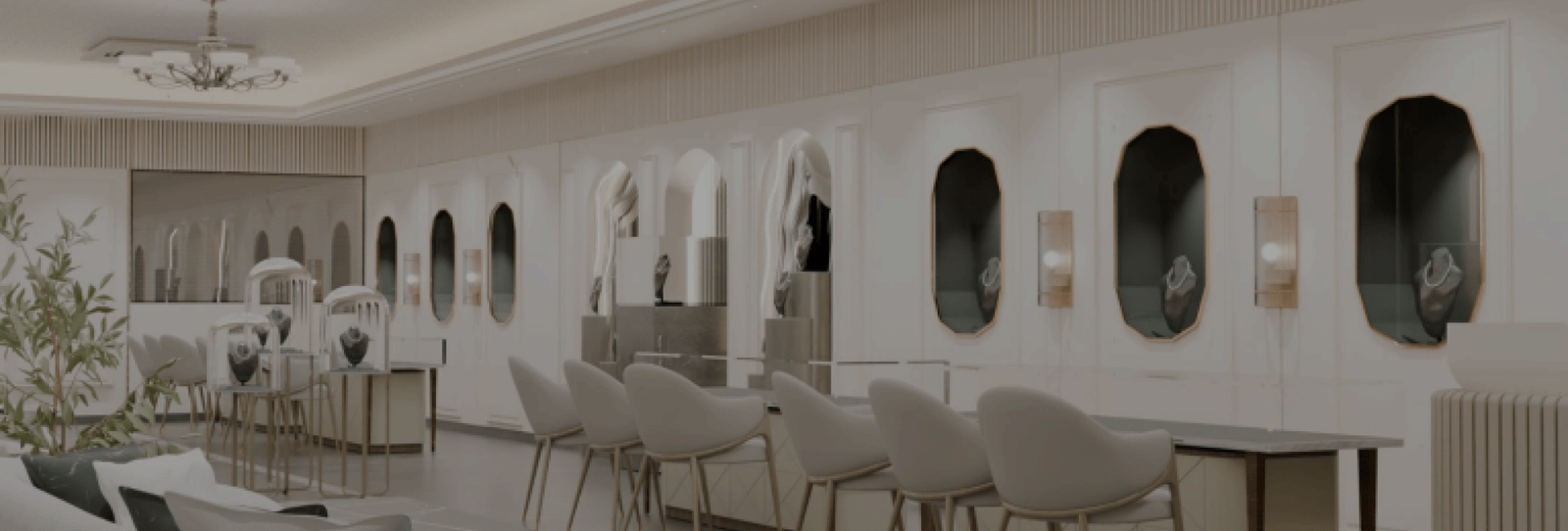
A jewellery showroom needs focused illumination to bring out product details. A clothing store, meanwhile, requires lighting that allows customers to judge colours accurately.
Using the same brightness everywhere rarely produces the best result.
Retailers can combine ambient lighting with focused lights for product displays, trial areas and featured collections.
The important part is getting the balance right. Harsh lighting creates discomfort, while poorly lit shelves make merchandise harder to examine.
3. Flexible Fixtures for Changing Collections
A store designed around one fixed product arrangement can become difficult to manage when the merchandise changes.
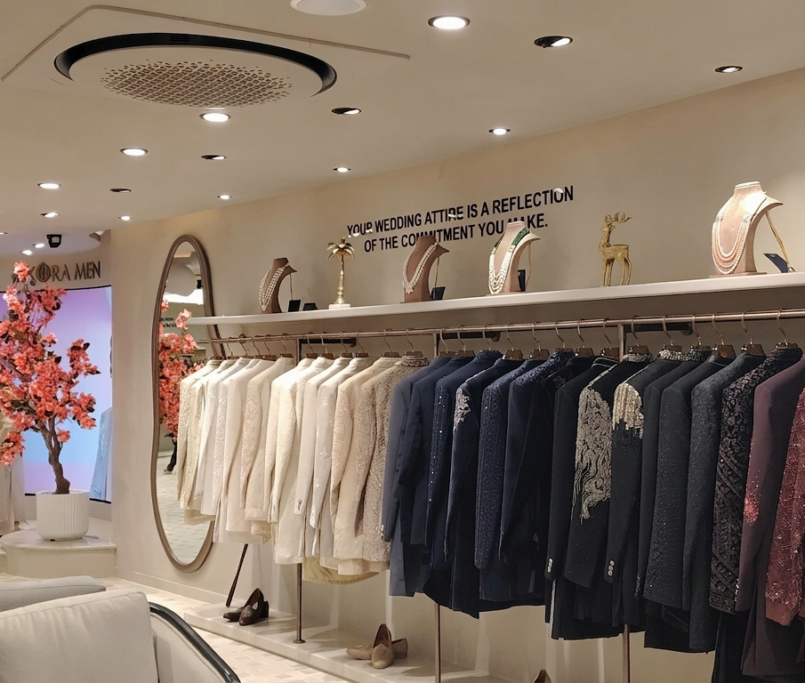
Consider a fashion retailer introducing festive collections, seasonal offers and new product categories throughout the year.
Movable racks, modular shelves and adjustable display units allow the floor to be rearranged without major interior changes.
A retail fit out company can help plan fixture placement around current inventory requirements while allowing room for future adjustments.
Where flexible fixtures work particularly well:
However, flexibility should not come at the expense of stability or product safety.
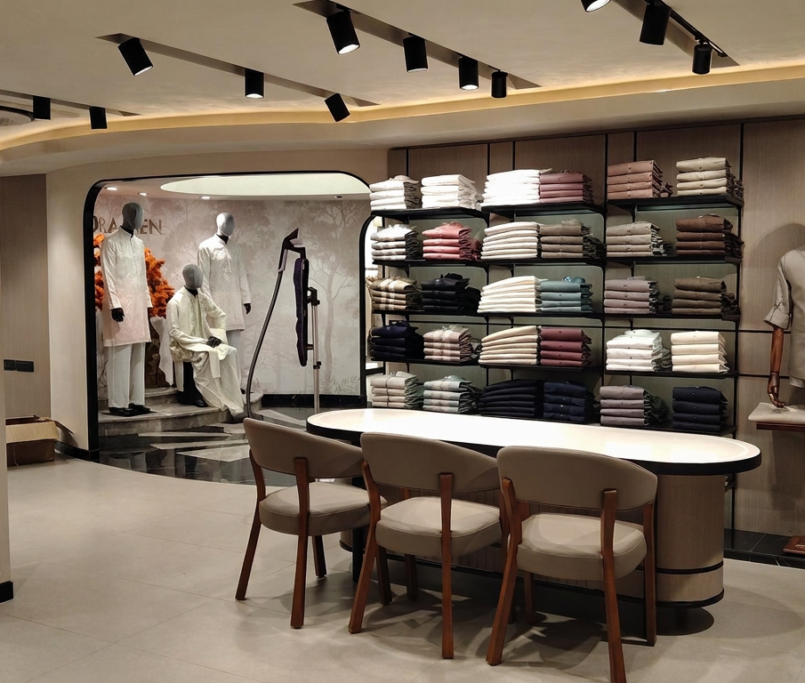
4. Natural Materials and Warmer Interiors
Glossy surfaces and bright white interiors are no longer the only choices for modern retail spaces.
Wood finishes, textured walls, muted colours and warmer lighting are being used to create a more comfortable shopping atmosphere.
For instance, a premium clothing boutique might use timber-finish display units and neutral walls to keep attention on its merchandise.
The materials should still suit the store’s daily use. Surfaces exposed to frequent touching, cleaning and movement need to be durable and easy to maintain.
A good-looking finish that deteriorates quickly becomes an operational problem.
5. Dedicated Spaces for Product Experiences
Some products need more than a shelf and a price tag.
Customers buying furniture may want to understand how pieces look together. Someone shopping for premium accessories may prefer a quieter space to examine different options.
Retailers can respond by creating small, purpose-built experience areas.
These might include:
- Styled room settings for furniture and home décor
- Comfortable consultation counters in jewellery stores
- Product demonstration areas for electronics
- Well-planned fitting rooms in fashion outlets
Such spaces give customers a better opportunity to evaluate products before purchasing.
The goal isn’t to fill the store with activities. It’s to make the buying process easier.
6. Digital Displays That Serve a Purpose
Digital screens are becoming a familiar part of retail interiors, but installing them everywhere doesn’t necessarily improve the shopping experience.
A screen near the entrance might highlight a new collection. Another near a product section could explain features or show available variations.
Digital elements work best when they provide information customers actually need.
Before installing screens, retailers should ask:
- Will the display help customers make a decision?
- Can the content be updated regularly?
- Is the screen positioned without blocking merchandise?
Technology should support the physical store rather than compete with it for attention.
7. Store Layouts Built Around Customer Movement
One of the most useful shifts in retail design is treating customer movement as a starting point.
Instead of deciding where fixtures should go first, retailers can study how shoppers are likely to enter, browse, compare products and reach the billing counter.
A retail fit out company can translate these requirements into practical layouts, display arrangements and circulation paths.
Small decisions matter. A crowded aisle can discourage browsing. Poorly positioned counters may create queues that block merchandise.
The best layout isn’t necessarily the most elaborate one. It’s the one that makes shopping feel straightforward.
Making Retail Design Work for Your Brand
Retail trends are useful references, not rules every store must follow. Choose changes that suit your customers, merchandise and available space, then assess whether they improve the shopping experience.
At Atmosphere, we provide commercial interior design, design and build services, and customised retail fixtures. As a retail fit out company, we help businesses create retail environments that reflect their brand and support practical store operations.