
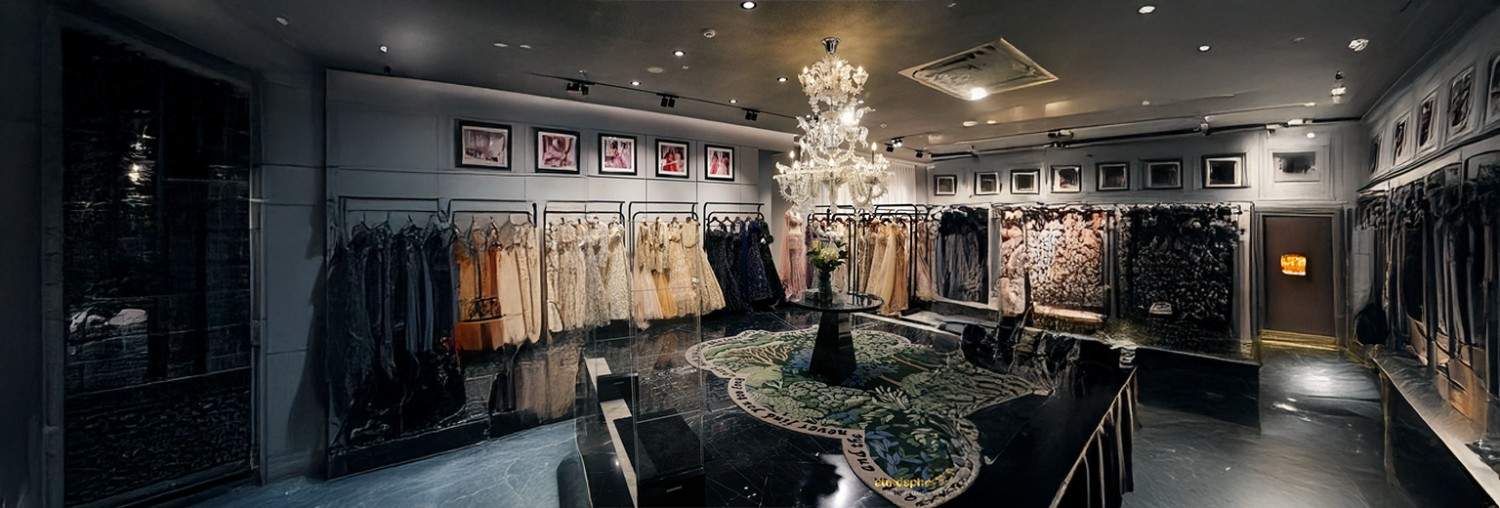
A retail space is often judged within the first few seconds of entry. Before a customer touches a product or speaks to staff, the space itself begins communicating. It sets expectations, builds trust, and quietly influences how long someone stays and whether they buy. This is why successful retail environments are rarely accidental. They are designed with intent through thoughtful retail store interior design.
Strong retail store interior design is not about trends or decoration. It is about creating a space that supports how customers move, browse, and make decisions while also making the store easier to operate every day.
Functionality starts with how people experience the space
The most functional retail spaces feel easy to navigate. Customers should instinctively understand where to go, what the store offers, and how to explore without feeling overwhelmed. When layouts are confusing or cluttered, people disengage quickly. When layouts are intuitive, customers relax, spend more time in-store, and interact more with products.
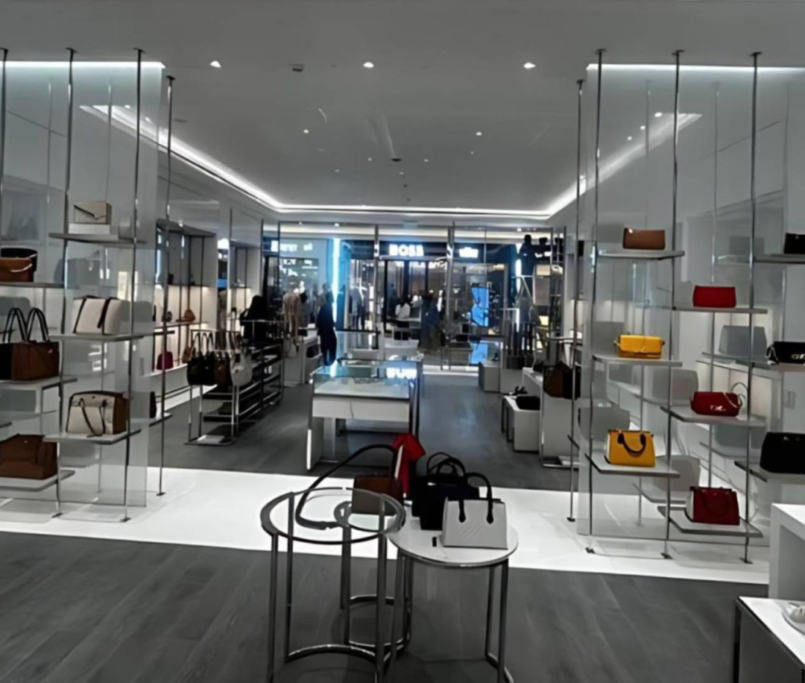
The entrance plays a critical role here. A well-planned entry allows customers to transition from outside to inside without pressure. From there, the layout should guide them naturally through key zones rather than forcing movement. Clear sightlines, comfortable aisle widths, and logical product placement all contribute to a smoother journey.
Functionality also impacts staff efficiency. When counters are positioned correctly, storage is accessible, and workflows are considered, teams can focus on customers instead of navigating obstacles. Experienced retail interior designers design spaces that balance customer experience with operational reality, ensuring the store works just as well behind the scenes as it does on the floor.
Attractiveness is about clarity, not excess
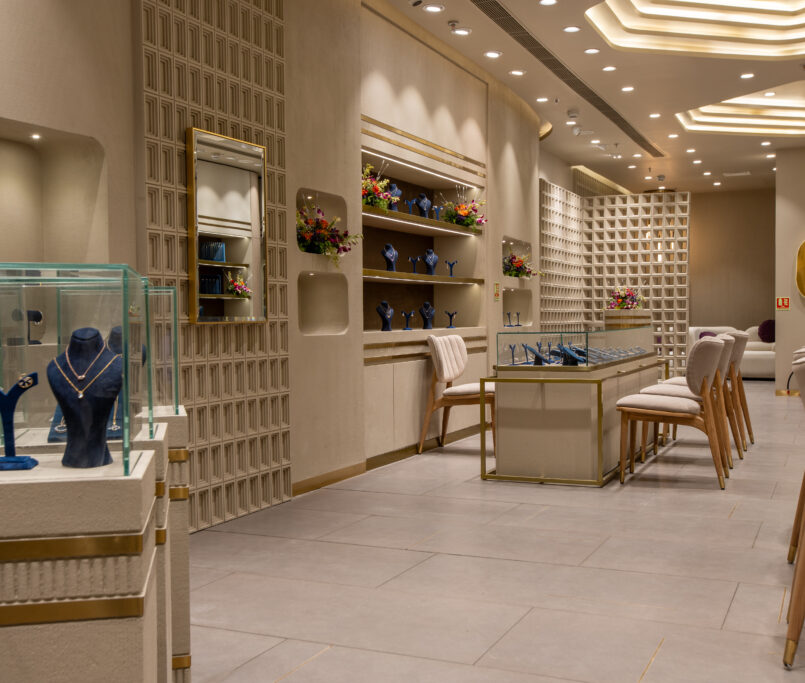
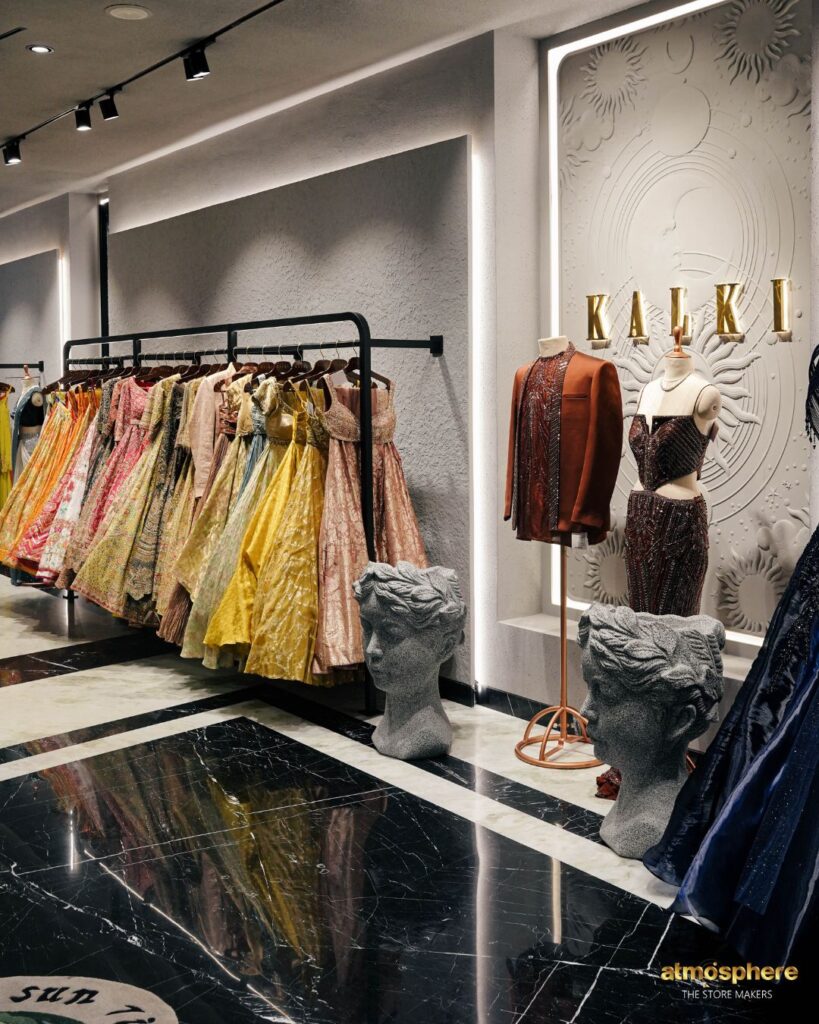
An attractive retail space does not need to be visually loud. In fact, the most appealing stores are often the calmest. They communicate brand identity clearly through materials, lighting, and spatial balance rather than through over-decoration.
Lighting is one of the most powerful design tools. The right lighting highlights products, enhances colours, and creates depth. Poor lighting can undermine even the best merchandise. Materials and finishes also matter, but only when they align with the brand’s positioning. A premium brand should feel refined. A lifestyle brand should feel warm and approachable. Consistency is what makes a space feel credible.
Attractive retail environments also know where to focus attention. Feature displays, hero walls, and seasonal moments give customers something to engage with without overwhelming them. When the space feels intentional, customers feel more confident buying from it.
Profitability is built into the layout
A profitable retail store is designed to sell without being aggressive. The space should support merchandising, highlight priority products, and encourage exploration.
Key commercial considerations include:
- Placing high-margin and best-selling products in natural traffic zones
- Grouping complementary items to increase basket value
- Designing checkout areas that support add-on purchases naturally
- Creating flexible display systems that adapt to new collections or campaigns
Zoning is particularly important. When customers can easily identify categories and navigate between them, they shop more efficiently and with greater confidence. Flexibility also plays a major role in long-term profitability. Retail spaces that can evolve without major renovation costs stay relevant for longer and deliver better return on investment.
This is where partnering with a specialist retail store design company adds value. The focus is not just on launch day impact, but on long-term performance.
Using the space to generate future leads
Not every customer is ready to purchase immediately. A well-designed retail environment recognises this and creates opportunities for future engagement.
Simple design choices can encourage enquiries. A clearly defined consultation area, subtle prompts inviting customers to ask questions, or dedicated spaces for personalised services can turn casual visitors into qualified leads. When the space supports conversation and discovery, it extends the customer relationship beyond a single visit.
Conclusion
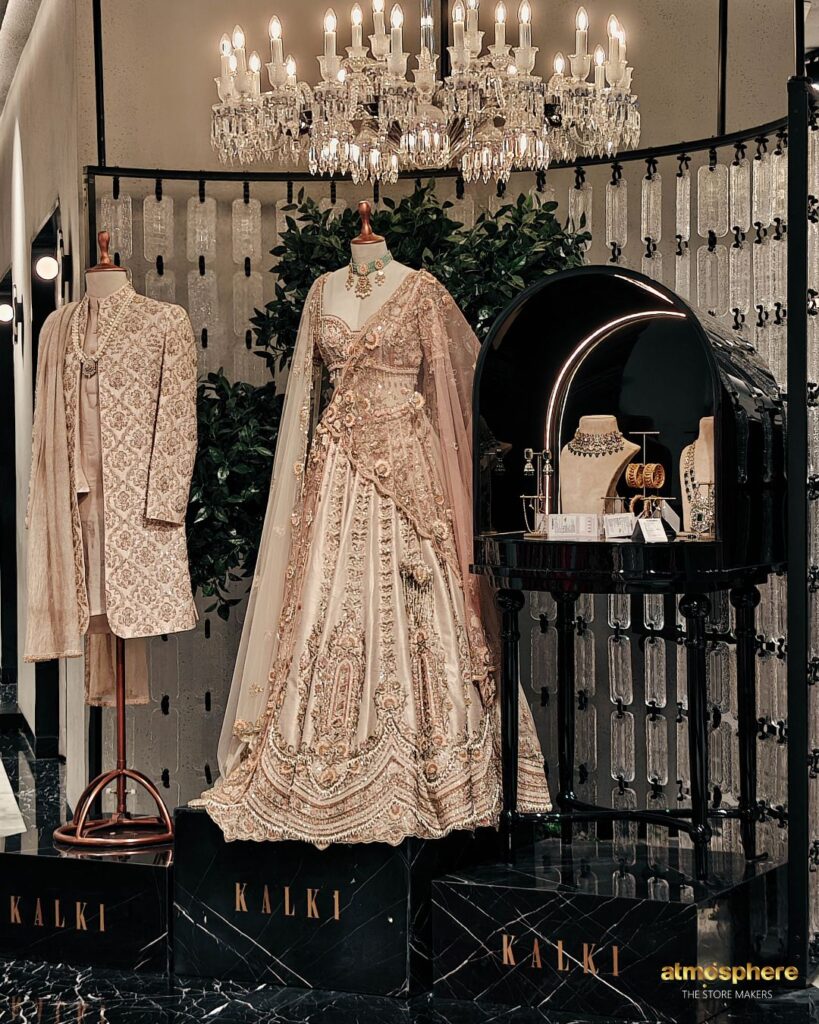
A retail space becomes functional when it removes friction, attractive when it reflects the brand with clarity, and profitable when it supports both selling and operational efficiency. When these elements come together, the store stops being just a location and starts becoming a business asset.
Investing in thoughtful retail store interior design and working with experienced retail interior designers through a trusted retail store design company helps ensure your space performs consistently, adapts over time, and supports long-term growth.
If you are planning a new fit-out or considering an upgrade, explore Atmosphere’s retail solutions to see how strategic design and execution can elevate your store’s performance.