When a brand begins searching for a shop fit-out company, the intent is usually very practical.
They are not simply looking for interior design. They are looking for a partner who can build a retail space correctly, deliver it on time, and ensure it is ready for business without operational surprises.
Opening a store is not an aesthetic exercise. It is the launch of a revenue generating environment. Lease timelines are fixed. Marketing campaigns are scheduled. Inventory has already been purchased. Staff hiring often begins weeks before the store opens.
Any delay or execution error directly affects the business.
This is why companies increasingly prefer working with a structured shop fit-out partner rather than coordinating multiple contractors themselves.
1. They Are Launching a New Store
Launching a new retail outlet comes with significant time pressure.
Most brands already have several moving parts aligned before construction even begins. These include:
- Lease agreements with fixed possession dates
- Marketing and launch campaigns are scheduled in advance
- Inventory shipments planned to arrive before opening
- Recruitment and training of store staff
- Vendor and logistics planning
If the store is not ready on time, these plans quickly become expensive problems.
A professional shop fit-out company manages the entire execution process to ensure the store reaches operational readiness before launch day.
This includes coordinating:
- Layout execution
- Civil and structural preparation
- Electrical and mechanical services
- Flooring and ceiling installation
- Lighting systems
- Custom retail fixtures
- Final finishing and detailing
When sequencing is managed correctly, multiple activities progress simultaneously rather than waiting on each other.
Atmosphere structures projects around this integrated design and build approach to reduce delays caused by fragmented workflows.
2. They Are Expanding Across Multiple Locations
As brands grow, the challenge shifts from building one store to building many stores consistently.
Multi city expansion requires more than individual project management. It requires repeatable systems.
Businesses expanding into multiple markets typically need:
- Standardized detailing across locations
- Consistent fixture design and manufacturing
- Controlled material specifications
- Centralized coordination of contractors and suppliers
- Predictable timelines for each store rollout
Without a structured shop fit-out partner, expansion often leads to visible inconsistencies.
One store might have different display heights. Another may use slightly different finishes. Lighting quality may vary across locations. Over time, these inconsistencies dilute the brand experience.
Consistency across stores strengthens brand identity and customer trust. Achieving that consistency requires disciplined execution systems.
3. They Want to Avoid Delays and Budget Escalation
Many businesses initially attempt to manage store construction by hiring separate vendors for different tasks.
Civil contractors, electrical teams, HVAC vendors, furniture suppliers, and signage companies often work independently.
While this approach appears flexible, it frequently creates coordination problems.
Common issues include:
- Miscommunication between vendors
- Installation conflicts between services and finishes
- Rework due to incomplete drawings or unclear instructions
- Timeline delays caused by scheduling gaps
- Budget increases due to repeated changes
A professional shop fit-out company simplifies this complexity by providing single point accountability.
When design coordination, construction sequencing, and fixture manufacturing are managed by one integrated team, projects move forward with greater clarity.
Atmosphere emphasizes this integration by combining design, construction, and manufacturing capabilities within a unified delivery model.
This significantly reduces the risk of coordination failures.
4. They Need Custom Fixtures and Display Systems
Retail environments rely heavily on how products are presented.
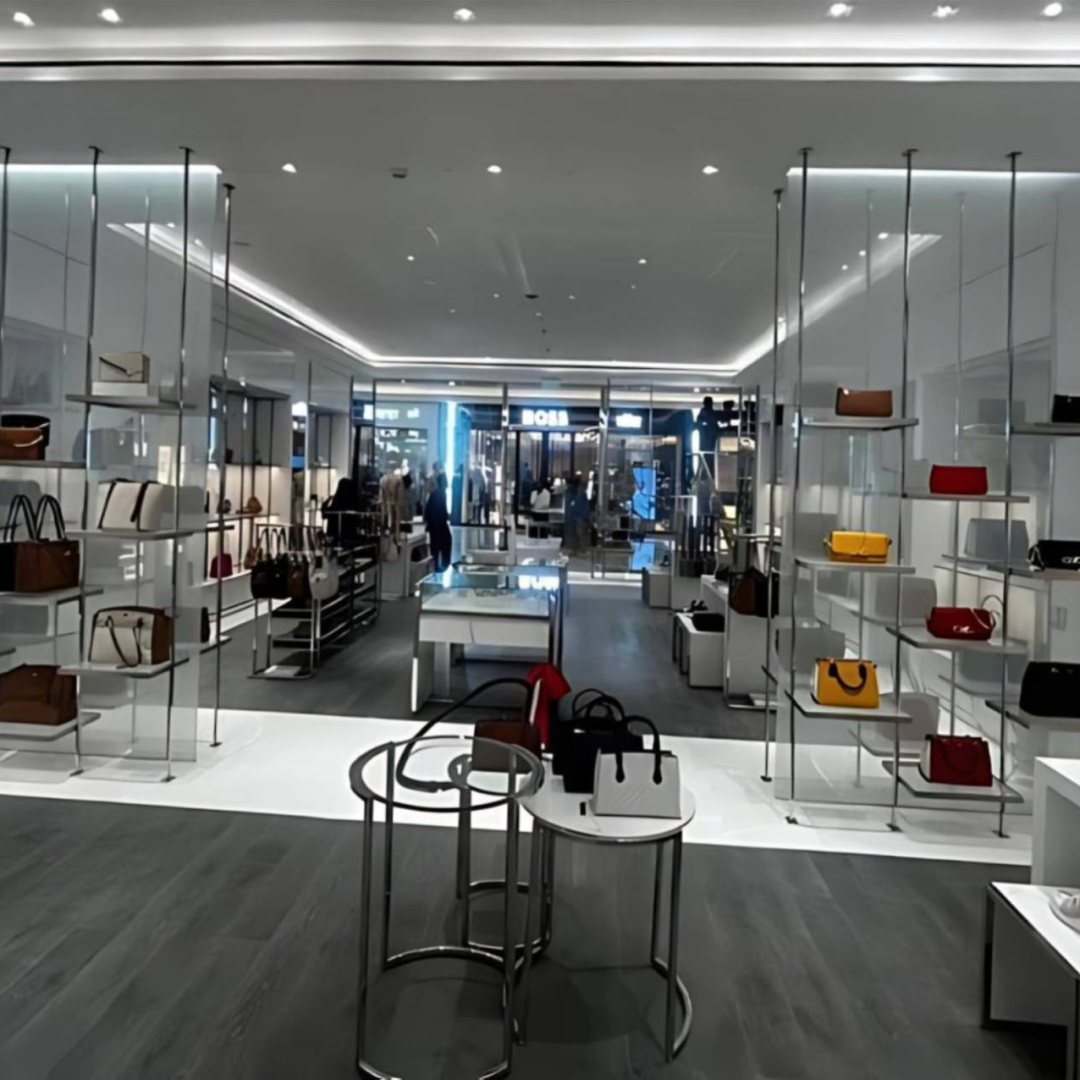
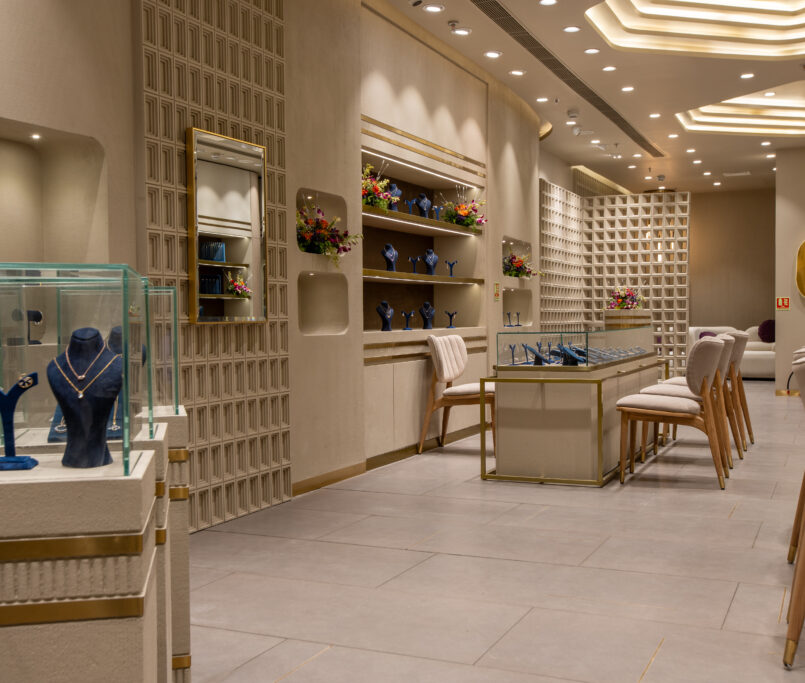
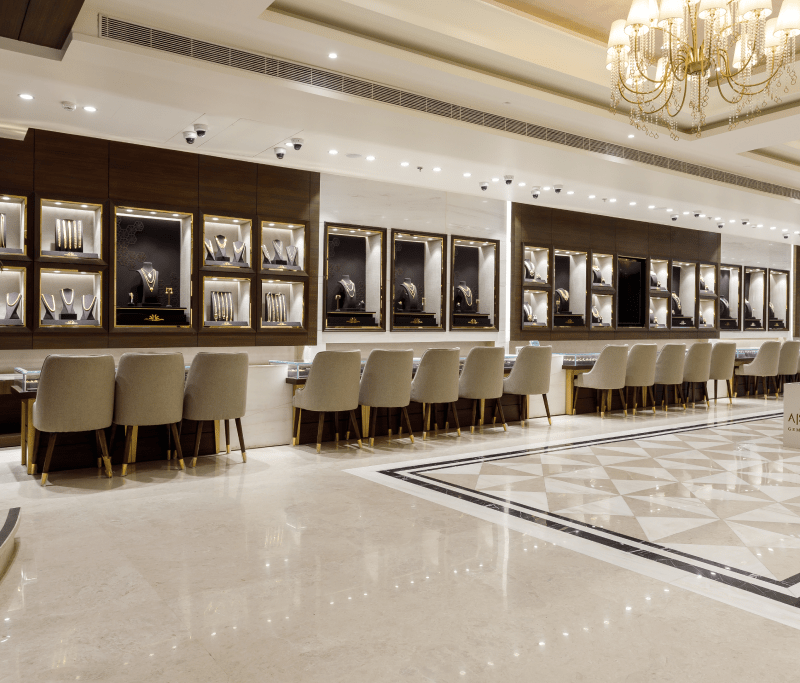
Jewellery boutiques, fashion stores, lifestyle outlets, and airport retail formats all depend on carefully designed display systems.
Fixtures influence both customer interaction and operational efficiency.
Brands typically require:
- Custom display units tailored to product sizes
- Integrated lighting for merchandise visibility
- Storage spaces for quick stock replenishment
- Durable materials suited for high footfall environments
- Modular systems for visual merchandising changes
When fixtures are treated as an afterthought, stores often struggle with operational challenges.
Display heights may feel awkward. Lighting may not highlight products correctly. Staff may find it difficult to replenish merchandise efficiently.
Atmosphere addresses this by integrating fixture development and millwork manufacturing into the fit-out process. The company operates a 40,000 sq. ft. manufacturing facility capable of producing bespoke fixtures and furniture with high consistency.
This ensures that display systems are aligned with both design intent and operational functionality.
5. They Expect a Brand Ready Finish
Customers notice the details inside a store immediately.
Uneven finishes, poorly aligned fixtures, or inconsistent lighting can quickly affect how a brand is perceived.
This is why businesses expect professional finish control from a shop fit-out partner.
A structured fit-out process typically includes:
- Technical detailing before site execution begins
- Material and finish approvals during planning stages
- Quality checkpoints during installation
- Lighting calibration and adjustment
- Final inspection before handover
- Systematic closure of snag lists
These steps ensure that the finished store reflects the approved design rather than appearing incomplete or inconsistent.
A store launch should feel polished and ready for customers from the first day of operation.
What Businesses Ultimately Expect?
When businesses search for a shop fit-out company, they are rarely looking for construction alone.
They are looking for a delivery partner that can provide:
- Reliable project timelines
- Disciplined execution on site
- Controlled project costs
- Consistent material and finish quality
- Operational readiness at handover
In other words, they want a store that opens on time and performs exactly as planned.
Final Thoughts
Commercial spaces are retail property. They are constructed so as to favor customer interaction, product exploration, and sales optimization.
The selection of a shop fit-out partner will make the process structured, predictable, or stressful and uncertain.
In the case of brands entering a new location, updating an already existing store, or entering more than one market, an integrated execution partner may dramatically decrease the risk, and enhance the quality and speed of delivery.
It is that kind of matching between planning, manufacturing, and execution that has the retail environment ready to receive customers on day one.